Not Just a Trend A Culinary Shift
Fermentation has been around for thousands of years, but right now, it’s having a serious moment in pro kitchens. This isn’t about following a fad it’s about chefs reaching for tools that offer depth, control, and function all at once.
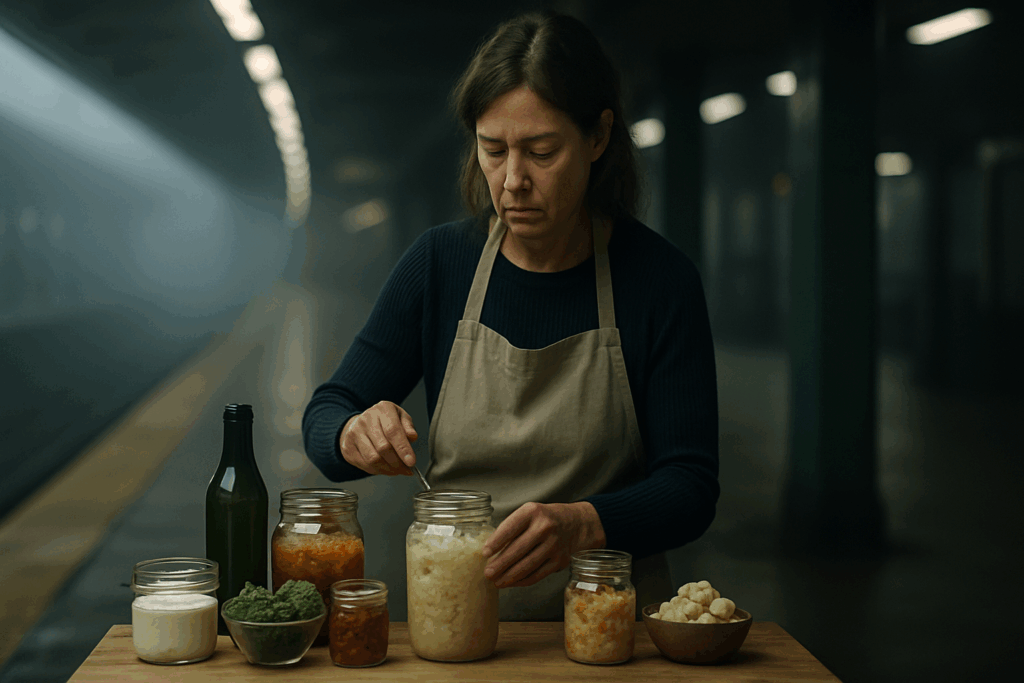
Kimchi made with backyard radishes, vinegars crafted from local apple scraps, kombuchas brewed in house to balance flavor and acidity fermentation today is precise and intentional. With better tools, tighter sourcing, and more scientific know how, chefs are dialing in fermentation not just to preserve, but to enhance.
What’s driving this resurgence? Diners are showing up with a sharper palate and a deeper interest in what’s on the plate. They want bold, layered flavor. They’re thinking about gut health. They’re into food that feels handmade and real. Fermentation ticks all those boxes and chefs know it.
Why Fermentation Matters Now
Fermentation checks a lot of boxes. It keeps food out of the trash, extends shelf life, and turns throwaway bits veggie scraps, imperfect fruits, leftover grains into flavor powerhouses. With kitchens under pressure to cut waste and stretch every dollar, that matters more than ever.
Post pandemic, diners are tuned into what they eat and where it comes from. Gut health isn’t just wellness jargon anymore it’s a filter for food choices. Fermented products add functional value without sacrificing flavor, and when made in house, they align perfectly with the local first mentality. For chefs, it means crafting something that’s both on trend and true to their sourcing ethos.
Meanwhile, the big system is shaky. Global supply chains are unpredictable, with ingredients showing up late, changing prices, or not showing up at all. Fermentation offers control. It lets chefs build their own micro ecosystems creating flavor and preservation workflows they manage end to end. It’s about relying less on what’s coming in, and more on what they can make, preserve, and evolve in their own kitchens.
What Chefs Are Actually Doing
Step into any serious kitchen in 2024 and you’ll find fermentation bubbling, curing, and quietly redefining the menu. It’s not a side project it’s foundational.
Koji aged meats are reshaping charcuterie boards, adding a depth of umami that standard curing can’t touch. Think duck prosciutto or beef bresaola with a subtle punch, the kind that lingers but never overpowers.
Lacto fermented hot sauces are a staple now, dialing in flavor without drowning everything in vinegar or heat. They’re balanced, sharp, and often hyper local coal roasted chilies in the Southwest, wild garlic scapes in the Northeast. On the vegetable side, chefs are pickling whatever the season throws at them. Carrot tops. Kohlrabi. Peaches past their prime.
Over in the pastry section, sourdough has grown up. It’s not just crusty loaves anymore it’s waffles, laminated doughs, even pasta. Some bars are fermenting sourdough starters into tangy cocktail syrups. Savory and sweet lines are blurring fast.
Why does it all matter? Because fermentation gives chefs more control, especially with unpredictable supply chains and climate driven produce cycles. They can preserve today’s abundance for service next month and adjust flavors in micro steps.
Want to see what pros are saying on the ground? Check out chef insights 2026.
Learning, Experimenting, Sharing
The current fermentation wave isn’t just happening in restaurants it’s transforming how chefs learn, collaborate, and pass along their knowledge. As more professionals embrace this craft, fermentation is becoming both a communal practice and a core culinary skill.
Culinary Schools Are Getting Hands On
Modern culinary programs are taking note. Many institutions now feature specialized fermentation labs where students can experiment with bacteria and yeast driven transformations. These labs:
Teach foundational techniques like lacto fermentation and koji cultivation
Encourage experimentation with both traditional recipes and new ideas
Prepare students for a food industry that values preservation and sustainable flavor
Pop Ups and Cross Discipline Collaborations
The line between kitchen and fermentation tank continues to blur, especially in pop up culture:
Chefs are teaming up with brewers and distillers to explore flavor crossovers between food and drink
These one off dinners and workshops often become incubators for broader menu concepts
Collaborative events serve as both experimentation space and public education
A Culture of Knowledge Sharing
Fermentation has sparked a different kind of club: one rooted in real time learning and open exchange.
Private forums and Slack groups connect chef communities across continents
Workshops, often led by fermentation pioneers, draw both professionals and curious home cooks
Chef led collectives and digital zines are leading grassroots education efforts
Want more insight into what chefs are thinking right now? Check out this roundup: chef insights 2026
Final Note: It’s About Control and Creativity
Fermentation is no longer just a throwback technique or fringe curiosity it’s a powerful tool that redefines how chefs express themselves through food.
More Than a Method: A Creative Medium
Fermentation gives chefs control over three essential pillars of cuisine:
Flavor Deep umami, acidity, and complexity beyond what traditional techniques offer.
Texture From soft effervescence in fermented fruits to the rich funk of aged legumes.
Nutrition Amplified gut friendly profiles and intensified micronutrients.
The Human Element
Though fermentation is rooted in science measured temperatures, time, microbes there’s artistry at every stage. Each batch carries the individual character of the chef behind it.
No two jars of miso or bottles of kombucha are exactly the same.
The process rewards intuition, patience, and sensitivity to nuance.
As one chef noted, “You taste the cook’s hand in every batch.”
A New Lens on Menu Design
In 2024 and beyond, menus are no longer dictated solely by fire and fat. Fermentation is emerging as a foundational consideration in seasonality and composition.
Expect dishes where time replaces heat as the key builder of flavor.
Bacteria and yeast become as important as salt and spice.
Fermented elements infuse sauces, dressings, bases even cocktail programs.
For today’s chefs, fermentation offers something rare: a slower, more mindful way to cook that still pushes boundaries. It’s precision and passion, discipline and creativity all in one jar.