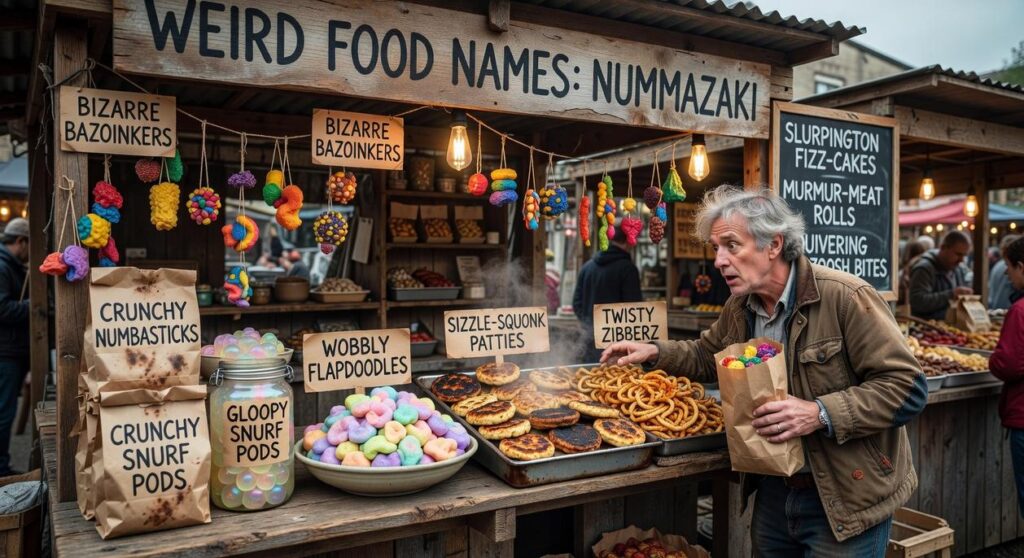
I’ve eaten my way through Nummazaki City three times now and I still find dishes that make me stop and stare at the menu.
You’re probably scrolling past some of the best food in the city because names like Whispering Tide Stew and Weeping Cloud Cake sound more like poetry than dinner. I did the same thing my first visit.
Here’s the thing: these aren’t just creative names. Each one tells you something about the dish if you know what to listen for.
I spent months tracking down the stories behind Nummazaki’s most curious food names. I talked to street vendors and third-generation restaurant owners. I ate things I couldn’t pronounce (and a few I probably shouldn’t have).
This guide walks you through the dishes that confuse most travelers. You’ll learn what they actually are, why they’re called what they’re called, and how to order them without pointing awkwardly at someone else’s plate.
We focus on the flavor foundations and history that make these dishes worth seeking out. Not just the weird names, but what’s actually on your fork.
By the end, you’ll know which strange-sounding dishes deserve a spot on your table and which ones you can skip.
The Language of Flavor: Understanding Nummazaki’s Culinary Identity
You can’t understand a city’s food until you understand why it tastes the way it does.
Nummazaki sits where the mountains meet the sea. That geography shaped everything about how people here cook.
Traders brought spices from across the water. Foragers climbed into the hills for wild herbs. And somewhere in between, the city’s food culture was born.
A Fusion Foundation
The port brought fish and seaweed. The mountains gave bitter greens and pine nuts. People started mixing them together because that’s what they had.
Over time, this became the foundation. You’ll find ocean and mountain in almost every traditional dish. It’s not fusion for the sake of being trendy (though plenty of modern restaurants try to claim that). It’s just how food works here.
Names with a Narrative
Here’s where it gets interesting.
Most dishes aren’t named after their ingredients. A soup called “Widow’s Comfort” has nothing to do with widows. It’s named for the warmth it gives you on cold nights when the fog rolls in from the harbor.
“Three Peaks Rice” references the mountain range you can see from the old district. The dish itself? It’s layered with three different preparations of grain.
You’ll see this pattern everywhere. Names tell stories about the land or the feeling you get when you eat something. Not what’s actually in it.
Beyond the Literal
If you want to really explore what this city offers, start with the names.
Ask a local why a dish is called what it’s called. You’ll learn more about the food culture in five minutes than you would reading a menu for an hour.
That’s your entry point into understanding Flavor Foundations here. The ingredients matter, sure. But the stories behind them? That’s what makes the food worth remembering.
Savory Mysteries: Decoding Nummazaki’s Main Courses
You ever order something off a menu just because the name sounded cool?
Yeah, me too. And half the time I end up with something I can’t pronounce and don’t understand.
That’s kind of the deal with traditional dishes. The names sound like they came from a fantasy novel, but nobody tells you what you’re actually about to eat.
So let me break down two dishes that show up all over coastal villages and mountain towns. They sound mysterious, but they’re actually pretty straightforward once you know what’s going on.
Whispering Tide Stew
This one’s a delicate broth situation. We’re talking sea kelp, whitefish, and mushrooms that someone hiked up a mountain to find (which honestly seems like a lot of effort, but I respect it).
The name comes from two things. First, the tide part is obvious. Fresh ocean ingredients. Second, the whispering bit? That’s the sound the broth makes when it simmers. Soft, gentle, almost like it’s telling you secrets.
Or maybe someone just thought it sounded poetic. Who knows.
Here’s the move: find a dockside spot and order this with Stone-Pressed Rice on the side. The rice soaks up all that broth flavor, and you won’t waste a drop.
Dragon’s Breath Skewers
Now this is where things get spicy. Literally.
You’ve got cubes of boar or firm tofu (your choice, no judgment) grilled over charcoal. Then they hit it with a glaze made from Sunstone chilies, which are about as subtle as their name suggests.
The “Dragon’s Breath” part? That’s not metaphorical. Your mouth will feel like you just insulted a dragon and paid the price.
But here’s the thing. It’s not just heat for heat’s sake. The flavor is actually there if you can handle it.
Want to make nummazaki versions at home? Mix gochujang with honey and smoked paprika. You’ll get that smoky kick without needing to sign a waiver first.
Pro tip: have some rice nearby. You’ll need it.
Sweet Deceptions: Desserts That Aren’t What They Seem

Most dessert guides tell you what things taste like.
I’m going to tell you what they pretend to be.
Because some of the best desserts I’ve encountered don’t just taste good. They lie to you. They make you think you’re eating one thing when you’re actually eating something completely different.
Weeping Cloud Cake does this better than almost anything I know.
You slice into what looks like the world’s fluffiest sponge cake. It’s infused with yuzu, so you’re expecting something light and citrusy. Which it is.
But then the cake starts crying.
A tart citrus syrup literally weeps from the center when you cut it. The contrast between that airy texture and the sharp sweet liquid is what makes this work. Most cakes are just about being moist or fluffy. This one is about the moment when those two things collide on your fork.
The name isn’t trying to be poetic (though it sounds that way). It’s just describing what happens.
Then there’s Cobblestone Brittle.
If you’ve had Italian torrone or Indian chikki, you know the basic idea. Crunchy candy with nuts or seeds. Break it into pieces and eat it.
But nummazaki puts roasted black sesame, puffed rice, and candied ginger into the mix. The result looks exactly like the old cobblestone streets you’d find in historic districts. Dark, bumpy, uneven pieces that could pass for actual rocks if you weren’t paying attention.
Here’s what nobody talks about with this kind of brittle: the ginger changes everything. Most versions are just sweet and nutty. This one has that sharp ginger bite that cuts through the sesame richness.
It’s the same confection structure you’ve seen around the world. But the flavor profile is completely different.
That’s the deception. Familiar form, unexpected taste.
A Practical Guide to Ordering with Confidence
You’re staring at a menu filled with names you can’t pronounce.
Your stomach’s growling. The line behind you is getting longer. And you’re pretty sure you just butchered the name of something that might be amazing or might be completely wrong for what you want.
I’ve been there more times than I can count.
Here’s what actually works.
Just point. Seriously. I know it feels awkward at first, but pointing at the menu item is completely normal. Vendors see it all day. They don’t care how you order as long as you’re ordering.
Ask about the story. When you see something like nummazaki on the menu and have no idea what it means, ask. Most people who run these places love talking about their food. Try “What does this name mean?” or “What’s the story behind this dish?” (You’d be surprised how often there’s a good one.)
Want to know specifics? Check out does nummazaki use raw fish before you order.
Look for visual cues. A lot of stalls put up photos or display samples of what they’re serving. Match the weird name to the actual dish. It takes the guesswork out of ordering and you’ll know exactly what you’re getting.
The best part? Once you order something once, you’ll remember it. And next time you won’t need to point.
Your Culinary Adventure Awaits
I’ve walked the streets of Nummazaki City more times than I can count.
Every menu reads like a puzzle. The dish names sound nothing like what you’d expect. But that’s exactly what makes eating here so good.
You came here wondering how to make sense of these strange food names. Now you know they’re not random. They tell stories about the city’s past and the people who shaped its food culture.
Nummazaki isn’t trying to confuse you. The unusual names are an invitation to dig deeper and taste something you’ve never experienced before.
Here’s what I want you to do: Next time you’re exploring food (whether it’s here or back home), pick the dish with the weirdest name on the menu. Don’t overthink it. Just order it.
That’s how you find the meals you’ll remember years later.
The most interesting flavors are usually hiding behind the names that make you pause. Trust that instinct and see where it takes you.
Your next great meal is waiting. You just have to be willing to take the chance. Homepage.