Why These Four Elements Matter
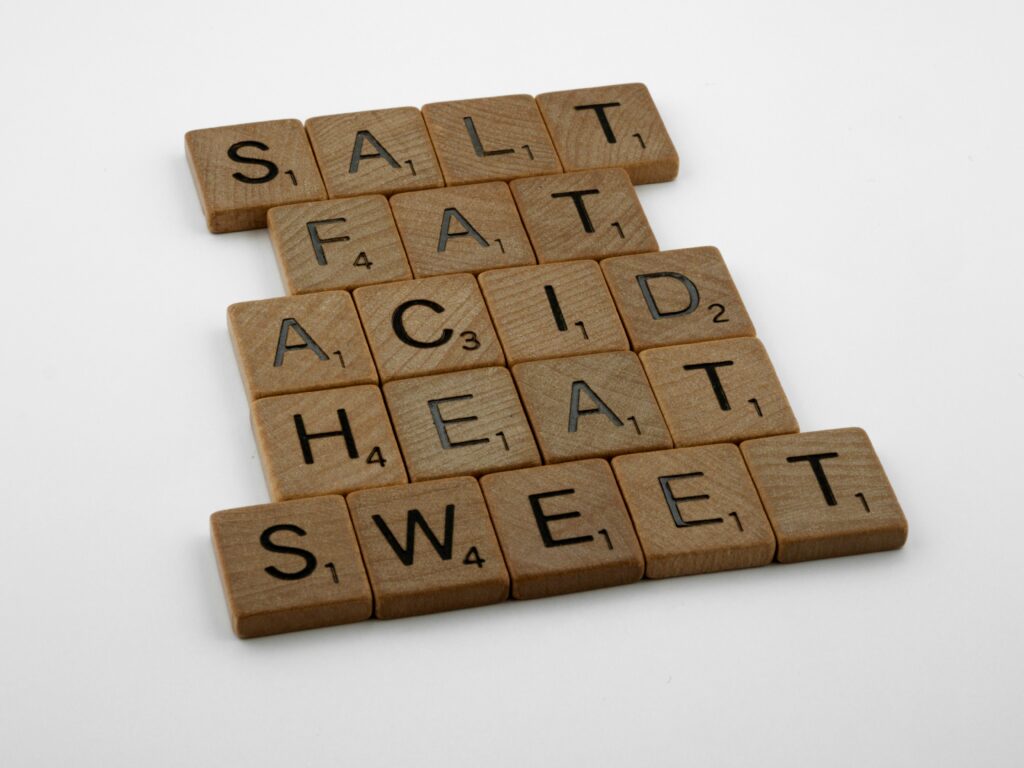
Great cooking isn’t about mastering a thousand recipes. It’s about understanding the handful of building blocks that everything else leans on. Salt, acid, fat, and heat these four work like the foundation of a solid dish. Nail the balance, and even simple food becomes a standout.
When one of them is off, you feel it. Too little salt and flavors fall flat. No acid? The dish can taste heavy or dull. Without enough fat, texture suffers and richness disappears. Misuse heat, and you either overcook or miss that golden edge. Cooking becomes guesswork instead of craft.
The good news: you don’t need a culinary degree to get this right. Start by tasting as you go. A squeeze of lemon at the end of a stew, or a pinch more salt on roasted veggies, can shift the whole outcome. Once you’re tuned into these principles, you’ll stop leaning so hard on recipes and start cooking with more freedom and flavor.
Salt: More Than Just Seasoning
Salt is often thought of as a finishing touch, but it’s actually a foundational ingredient. Used properly, it highlights and enhances the natural taste of ingredients without overwhelming them.
Why Salt Is Essential
Enhances natural flavor: Salt doesn’t mask when used correctly, it amplifies what’s already there.
Brings balance: A properly salted dish feels complete, even if it’s made with just a few ingredients.
Timing Your Salt: Early vs. Late
The timing of when you add salt can dramatically change the final result.
Salting early allows time for salt to penetrate deeper into the food, especially important for meats and dense vegetables.
Salting at the end gives a surface level impact ideal for finishing effects or when you want a punch of seasoning.
Best Practices
Salt meat and fish ahead of time for better flavor and texture.
Let vegetables sit with salt briefly to draw out moisture or enhance crispness.
Types of Salt and When to Use Them
Not all salts are created equal. Each type has its own role depending on the application.
Kosher salt: The everyday workhorse perfect for seasoning during cooking due to its texture and ease of control.
Sea salt: Great for both cooking and finishing, especially when you want subtle mineral notes.
Flake salt (like Maldon): Ideal for garnishing. Adds texture and pops of salinity right before serving.
Salt and Texture: More Than Just Flavor
Salt can also act as a texture transformer:
Proteins: Salting raw meat or fish ahead of time helps break down proteins, leading to juicier, more tender results.
Vegetables: Salt draws out excess moisture great for crispy roasted veggies or prepping zucchini and eggplant before sautéing.
Understanding salt isn’t just about taste it’s about chemistry and technique. Master where, when, and how to use it, and you instantly elevate your cooking.
Acid: The Balancer

Acid is that quiet force that makes food come alive. It doesn’t hog the spotlight it sharpens it. A squeeze of lemon over grilled fish. A splash of vinegar in a slow stew. A spoon of yogurt next to curried lentils. These aren’t garnish moves they’re chemical ones. Acid brightens, slices through fat, and pulls hidden notes into focus. If a dish tastes dull, flat, or oddly sweet, chances are it’s missing acidity.
You don’t need anything fancy: lemon juice, all sorts of vinegar, yogurt, wine these live in most kitchens already. Their job? Add complexity without crowding the dish. Ever had a tomato sauce that felt heavy until a dash of red wine vinegar lifted it? That’s acid working in real time.
Acid doesn’t just fix bland food it plays offense. It cuts sweetness when things veer too far into syrupy territory. It deepens meatiness when used with umami rich ingredients like soy or mushrooms. The trick is to taste as you go. Add in drops, not dumps.
For more on laying the groundwork with potent, layered flavors, check out flavor building aromatics.
Fat: The Flavor Carrier
Fat is what makes flavors stick not just to your tongue, but in your memory. It acts like a vehicle, carrying aromas and taste deep into each bite. That’s why an herb butter tastes more potent than plain herbs, or why a drizzle of olive oil rounds out a tomato salad. Once you understand how fat works, you can choose when to use it and how much to make a dish sing without overloading it.
Blended fats are where texture meets technique. Butter mellowed with olive oil keeps sauces from separating and lets you fry at higher heat. Cream mixed with pungent cheese creates a lush, clingy sauce without going greasy. You’re not just using fat you’re shaping how it feels on the tongue.
Go rich when you need comfort: stews, bakes, sauces that want to hug the inside of your mouth. Go light when you want crispiness, brightness, or let other ingredients take the lead. A vinaigrette can be half oil, or just a few drops. A pan fried fish benefits from a thin slick of high heat oil not a butter bath.
Speaking of heat, not all fats handle it the same. Butter burns fast. Ghee and avocado oil hold up to searing temperatures. Know your smoke points and choose accordingly burnt fat doesn’t add complexity, it just tastes like regret.
When used right, fat isn’t just indulgence it’s structure. It ties everything together. And when paired with bold aromatics like garlic, ginger, or chili, it becomes a foundation for deep, lasting flavor. For more on that pairing, check out flavor building aromatics.
Heat: The Game Changer
Heat is where raw ingredients are transformed into something crave worthy. It’s not just about making food hot it’s about how the right kind of heat can completely change taste, texture, and even how a dish is experienced.
Let’s break it down. Dry heat methods like roasting, baking, and grilling deliver that crisp crust or golden edge. Moist heat think braising, steaming, boiling penetrates deeper and keeps things tender. Direct heat hits the surface fast and hard (a searing steak, for example), while indirect heat surrounds the food gently, like when roasting a whole chicken.
And then there’s the Maillard reaction. It’s not fancy chemistry you need to memorize, just know this: it’s what makes browned meat, toasted bread, and roasted coffee so irresistible. Maillard equals flavor. Searing isn’t just for looks; it’s for building depth.
Low and slow cooking like pulled pork or caramelized onions is about patience. It breaks things down, concentrates flavors. Hot and fast? Great for searing, stir frying, or flash roasting vegetables to get that perfect char without going soggy. Choosing between these isn’t just about speed it’s about what outcome you want. Tender or crisp? Deeply reduced or fresh and snappy?
Bottom line: Heat is your tool for crafting contrast. Crisp outside, soft inside. Smoky edges, juicy centers. Mastering heat is about knowing which method gives you the texture, flavor, and vibe you’re after.
Bringing It All Together
This is where the magic settles in: learning to see salt, acid, fat, and heat not as separate tools, but as a system. Change one, and the others shift accordingly. Add more acid to a dish, and you might need more fat to round it out. Dial up the heat, and suddenly you need to manage moisture and seasoning more carefully. It’s a balancing act, but not a fussy one.
The best way to internalize this isn’t through recipes it’s by tasting as you go. If the vinaigrette feels sharp, a splash of olive oil could mellow it. Roast chicken feeling flat? Could be a pinch more salt or a squeeze of lemon juice away from perfect. Sauteed greens a bit mushy? Next time, crank the heat and finish with vinegar.
Cooking isn’t about memorizing formulas. It’s about noticing what’s missing and knowing how to bring it back into line. When you understand these elements, you don’t need a hundred hacks. You just need awareness, a wooden spoon, and a willingness to taste the food before calling it done.