The Power of Less
Modern kitchens are increasingly embracing a radical idea: less is more. In an age of overindulgence and complexity, Nordic cuisine offers a refreshing return to minimalism a culinary philosophy centered on clarity, balance, and respect for ingredients.
Why Minimalism in Food Matters
Minimalism in the kitchen isn’t about austerity it’s about intention. Thoughtful restraint transforms the everyday act of cooking into something mindful and expressive. By stripping a dish down to its essential parts, chefs and home cooks can better honor flavor, origin, and purpose.
Key reasons why minimalism matters:
Clarity of flavor: With fewer components, each ingredient’s natural taste can shine.
Reduced waste: Using only what’s needed encourages sustainable cooking practices.
Elevated creativity: Less complexity challenges cooks to do more with less.
From Elaborate to Elemental
Across the globe, there’s a movement away from over stylized, ingredient heavy plates toward something more elemental. Diners are craving authenticity: dishes that nourish both body and mind, built from a few well chosen elements rather than over complicated recipes.
This shift marks a deeper culinary reawakening focused on:
Rediscovering traditional methods and ingredients
Highlighting the natural shapes, colors, and textures of food
Valuing substance over spectacle
The Nordic Philosophy: Purity Over Excess
Nordic cuisine doesn’t hide ingredients behind sauces or spices. Instead, it celebrates the raw, the earthy, and the seasonal. The driving belief is that flavor should emerge from purity, not embellishment.
Core tenets of this philosophy include:
Ingredient first approach: Let nature lead the recipe
Balance above boldness: Each bite is curated with intention
Visual simplicity: Presentation mirrors the clean, wild landscapes of the north
Ultimately, the Nordic approach isn’t anti flavor it’s pro origin. By focusing on what’s local, fresh, and essential, it elevates food into something deeply personal and profoundly satisfying.
Nature on the Plate
A Hyper Local Mindset
When it comes to Nordic cuisine, the phrase “eat local” takes on a deeper meaning. Instead of relying on imported produce or processed goods, Nordic chefs and home cooks turn to what the immediate environment offers. Whether it’s coastal herbs or mountain berries, the goal is to minimize the distance between the land and the plate.
Ingredients are often sourced within a small geographic radius
Local microclimates define flavor profiles
Dishes reflect the identity of a specific landscape
Earth’s Natural Pantry
Nordic kitchens draw inspiration directly from the wild. Everyday ingredients don’t come from warehouses they’re unearthed, picked, and foraged from the region.
Common natural ingredients include:
Moss and lichen used for texture and subtle earthy flavors
Wild berries like lingonberries, cloudberries, and bilberries, which bring brightness and tartness
Native herbs such as wood sorrel or angelica to enhance complexity
Roots and tubers like parsnip and sunchoke, cherished for their sweetness and density
These components are not just decorative they’re essential to the flavor architecture of Nordic dishes.
Seasonality as a Flavor Guide
In Nordic philosophy, to cook well is to understand the seasons. Ingredients are harvested at their peak and celebrated for their fleeting nature.
Spring offers young greens and foraged herbs
Summer brings a bounty of berries, beans, and fresh fish
Autumn is rich in root vegetables, mushrooms, and game
Winter relies on preserved goods, dried herbs, and hardy crops
Instead of masking the limitations of a cold climate, Nordic cuisine highlights them. The rhythm of nature leads the menu, reinforcing the idea that simplicity, freshness, and seasonality can be the most powerful flavor enhancers of all.
Preservation as a Flavor Strategy
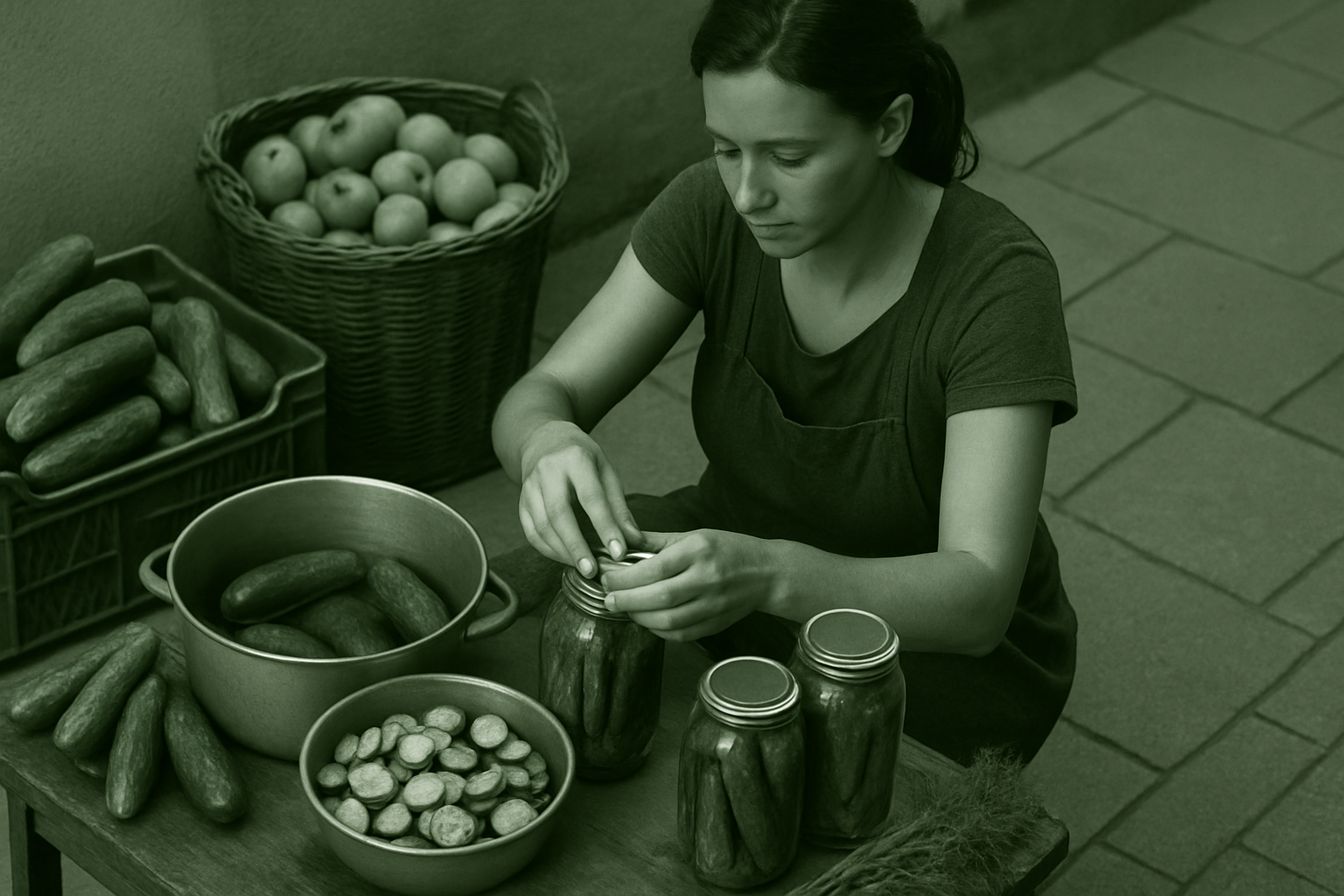
Pickling, curing, and fermenting aren’t throwback practices they’re survival tools turned flavor amplifiers. In Nordic cuisine, these methods aren’t about nostalgia or trend chasing. They’re used because they work. Long winters demanded a way to stretch the short growing season. The result? Onions that still sing in February. Fish that deepens in character the longer it rests. Cabbage that bites a little after the jar is opened.
Preserving ingredients locks in not just shelf life, but complexity. It gives food a backbone. Fermentation introduces acidity and funk. Curing pulls out moisture and intensifies flavor. Pickling adds bite while keeping produce crisp and alive. These aren’t just storage hacks they’re how a turnip becomes something you actually crave.
Waste gets minimized, too. Instead of tossing the garden’s last cucumbers or the excess herbs on the verge of going limp, they’re transformed. Even kitchen scraps can get a second shot through preservation. A fridge pickled with intention becomes a pantry of possibilities.
When daily ingredients become staples, cooking doesn’t rely on what’s at the store. It relies on what’s been steadily, quietly building in a dark jar on the shelf. That’s not old school it’s smart.
Foraging: Food and Connection
Vibrant kitchens are reaching backward. Foraging the simple, stubborn act of gathering food by hand is making a quiet comeback. Not for novelty. Not for trend. But because the forest, the shore, the field they tell the truth about flavor. Chefs and home cooks are rediscovering what indigenous cultures always knew: nothing tastes like the place it comes from.
Knowing how to identify wild herbs, berries, or even mushrooms sharpens a cook’s understanding. When you harvest wild juniper or wood sorrel yourself, you’re not just sourcing an ingredient, you’re learning its seasons, its moods, its place in a dish. Grocery store uniformity can’t compete with that depth.
But with wild harvesting comes responsibility. Taking too much, too often even with good intentions can harm fragile ecosystems. Ethical foraging means learning what to pick, when and how much. It means respecting public lands, and often, indigenous food rights. Sustainability isn’t a checkbox. It’s the whole point.
For many in the Nordic culinary world, foraging isn’t a side activity it’s foundational. It builds a direct line between land and plate. Curious? Learn more in this deep dive on Nordic foraging cuisine.
Discipline Over Excess
The Nordic Art of Restraint
Nordic cuisine is defined as much by what it leaves out as what it includes. Unlike many culinary traditions that prize complexity and lavish combinations, Nordic dishes lean into minimalism only the ingredients that truly serve the purpose of taste and nourishment make it onto the plate.
Ingredients are chosen for purpose, not just presentation
Fewer components allow each flavor to shine
Cooking techniques focus on enhancing rather than masking raw materials
Finding Flavor Through Balance
Rather than overwhelm the palate, Nordic dishes aim for harmony. This doesn’t mean blandness it means intention. Each element is placed carefully to support the whole instead of stealing attention.
Flavor is built on contrast: sweet and sour, earthy and sharp
Salinity, acidity, and umami are used thoughtfully
Herbs, smoke, and fermentation often provide depth in place of heavy sauces or fats
Presentation That Reflects Nature
The visual aspect of Nordic cuisine is as understated and elegant as its ingredient lists. Plates resemble organic landscapes measured, balanced, and never artificial. Beauty follows function, with design rooted in environment.
Plating mimics nature’s asymmetry and simplicity
Color and texture mirror the seasons: muted in winter, bright in summer
Less visual clutter draws attention to what matters: the food
Nordic food doesn’t try to impress with excess. Instead, it invites you to appreciate the quiet brilliance of ingredients given space to speak.
Lessons for Modern Kitchens
Simplicity Is Powerful, Not Basic
Nordic cuisine reminds us that simplicity is a strength not a shortcut. When a dish uses fewer ingredients, each element must be intentional. This approach invites trust in the ingredient itself: flavor, freshness, and quality are allowed to shine without distraction.
Fewer ingredients mean more focus per bite
Simplicity demands precision and clarity of flavor
Purity leads to a stronger sensory experience
Use What’s Local, Trust the Ingredient
One of the key takeaways from Nordic food philosophy is to build meals around what’s close to home. Hyper local sourcing doesn’t just reduce environmental impact it also elevates and personalizes the dining experience. When we align our cooking with nearby seasons and ecosystems, we add a sense of place to our plates.
Start with what grows around you: markets, farms, gardens
Trust the natural flavors don’t over season or mask them
Let freshness do the work
Sourcing with Intention = Better Meals and Wellbeing
Thoughtful sourcing isn’t limited to fancy restaurants or rural kitchens it’s achievable in everyday cooking. Whether it’s selecting sustainably caught fish or choosing in season produce, these small decisions build towards better nutrition and a deeper connection to what we eat.
Pay attention to origin and seasonality
Choose quality over convenience when possible
Cooking becomes more nourishing when it aligns with nature
Dive deeper into this topic: Nordic foraging cuisine