What Texture Really Is
Texture isn’t just the crunch of a chip or the creaminess of ice cream. It’s what your mouth feels before your taste buds even get a say. That first impression the snap, the give, the pull can signal freshness, richness, even disappointment. It’s the silent prelude that sets the stage for flavor.
Mouthfeel, resistance, and consistency aren’t fancy chef words these are the core of how we experience food. A bite that’s too mushy when it should have bite? It throws your brain off. A soup that coats the tongue too long? You feel it more than you taste it. Texture cues us into what we should expect, and when it aligns with flavor, the satisfaction hits harder.
We don’t eat in a vacuum. Texture anchors expectation. It sharpens memory. And when it’s done right, we rarely notice it which is exactly the point.
The Science Behind Texture and Taste
Texture doesn’t simply coexist with flavor it actively shapes how we experience it. The way food feels as you chew, sip, or bite directly impacts the intensity, clarity, and pleasantness of its flavor.
How Texture Cues Influence Flavor Perception
Before your brain fully decodes taste, it’s already reacting to texture. Our mouths are equipped with mechanoreceptors that respond to pressure, movement, and consistency all of which contribute to how a flavor is interpreted.
A crispy texture can enhance the perception of freshness or saltiness
Creaminess may amplify sweetness and richness
Chewy or dense textures can mute certain flavor notes, slowing recognition
Key Insight: Texture acts as both a filter and amplifier for flavor.
Taste Buds + Touch Receptors: A Sensory Partnership
The mouth is a multi sensory space. While taste buds detect sweet, salty, bitter, sour, and umami, other nerves process temperature, pain (think spice), and touch. These signals work together to create what we perceive as “flavor.”
The tactile feel of food can heighten or dull taste signals
Temperature changes like cold ice cream or warm broth further alter mouthfeel
Our brain stitches together feedback from multiple receptors to form a full flavor profile
Solid vs. Liquid: Same Flavor, Different Experience
The same flavor compound can taste wildly different depending on the food’s form. For instance:
Vanilla in a soft pudding feels smoother and richer than in a crunchy wafer
Citrus notes can taste brighter in a liquid infusion than in a gummy or chewable format
Why? Because texture controls how quickly or slowly flavor compounds are released and how they coat the mouth. Timing, in this sense, is everything.
Explore texture’s role in taste to dive deeper into the science guiding your palate.
Texture Triggers and Emotional Response
Your brain doesn’t just taste food it listens to it. The crisp snap of a chip or the crunch of a fresh apple signals freshness on a near primitive level. Evolutionary logic: crisp usually means recently harvested or cooked, not spoiled. So that crunch? It’s not just satisfying it’s a green light for ‘safe to eat.’ This is why stale equals sadness. A soggy fry isn’t just a texture fail; it’s a mental letdown.
Now flip it. Think mashed potatoes, fresh baked bread, or a soft rice porridge. These textures don’t shout freshness they whisper comfort. Soft, pillowy foods connect to early life baby food, warm meals during recovery, cozy family dinners. The lack of resistance gives the body a break, and the mind slips into a nostalgic mode. It’s sustenance and memory in one bite.
Then, there’s the cultural layer. In Japan, the slick pop of mochi is a texture many grew up loving. In France, a crispy baguette’s crust is non negotiable. In West Africa, swallow foods like fufu are judged largely by their smooth, elastic pull. What counts as the “perfect” texture depends on where you’re from and what home tastes like. There’s no single gold standard, only the comfort of familiarity and the thrill of contrast.
The Art of Pairing Texture for Flavor Impact
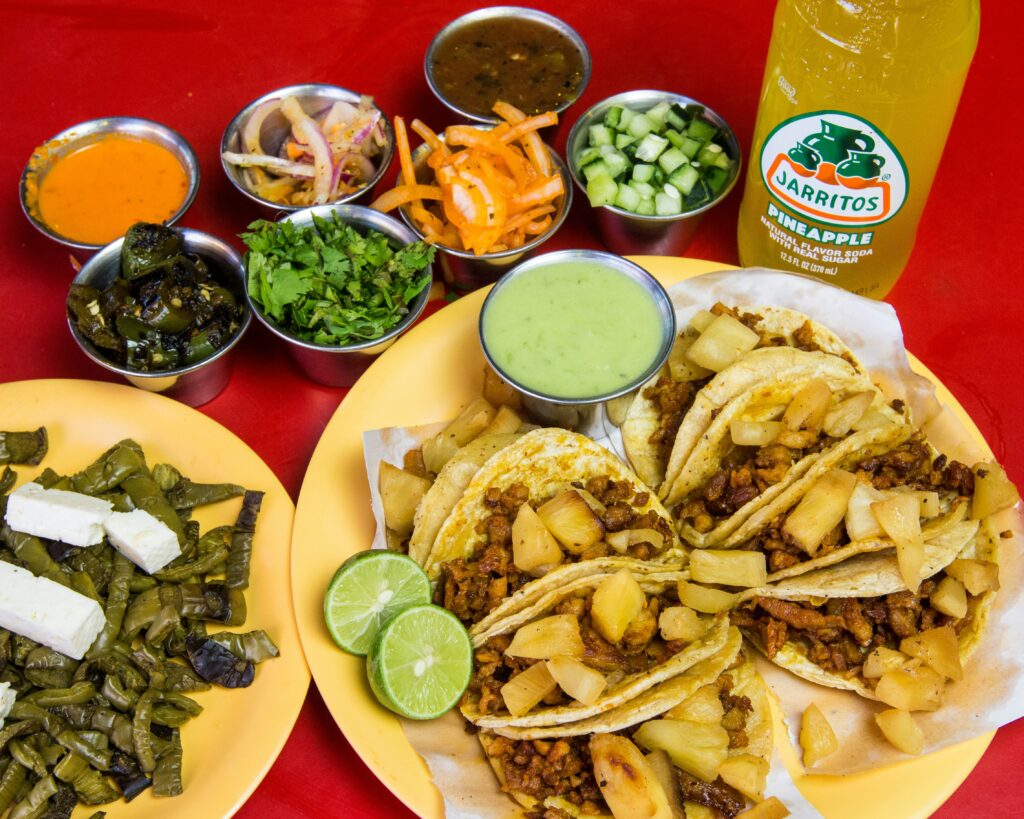
Layered textures are the not so secret weapon behind food that keeps people coming back for bite after bite. It’s not just what something tastes like it’s what it feels like when you chew. Think of a soft, silky custard with the snap of brûléed sugar. Or a crunchy taco shell holding stewed, tender meat. That contrast hits the brain in a way a single texture dish rarely does.
Take ice cream and a cone. One is cold, creamy, and smooth. The other brings structure and crunch. That pairing doesn’t just make sense it makes the whole experience addictive. The mouth never gets bored, and that keeps taste buds awake.
High end chefs understand this better than most home cooks. Some even design dishes with texture first, then layer in flavor. Instead of starting with flavor profiles, they ask: what kind of bite do I want people to feel? Should it crack, melt, bite back, or disappear instantly? Then they build the dish from that tactile moment.
It’s not about gimmickry it’s about engineering satisfaction. Multi texture bites are engineered to keep tastebuds curious. Texture, in the hands of a good cook, becomes structure, contrast, and rhythm. And more often than not, that’s what makes flavor linger.
When Texture Goes Wrong
Even the best flavors fall flat when texture burns you out. It’s called texture fatigue, and it’s real. Too much crunch wears out the jaw. Endless chew becomes work. A plate full of soft, mushy sameness doesn’t satisfy it numbs. Texture, when unbalanced, turns a solid meal into a slog.
This isn’t about being picky it’s about perception. Our mouths crave contrast. A perfectly seasoned risotto becomes cloying without a crisp topping. The richest brownie gets boring without a textural counterpoint. Off textures can make food feel heavy, weird, or even unappetizing, no matter how good it tastes on paper.
The fix? Think like a composer, not a technician. Add contrast something bright or crunchy to wake up soft foods. Pace the textures don’t overload a dish with the same mouthfeel from start to finish. Mindful plating helps too: layer elements so textures hit one after another, not all at once. When you get the rhythm of texture right, flavor doesn’t just land it lingers.
Why Texture Innovation Is the Next Culinary Frontier
The plant based movement hit a wall. Not flavor texture. That’s where food tech is stepping in. Startups and legacy labs alike are reengineering the bite of things like vegan bacon or faux seared scallops. The goal isn’t just to look like the original, but to chew like it, stretch like it, and break in the mouth the same way. It’s all about accuracy through innovation.
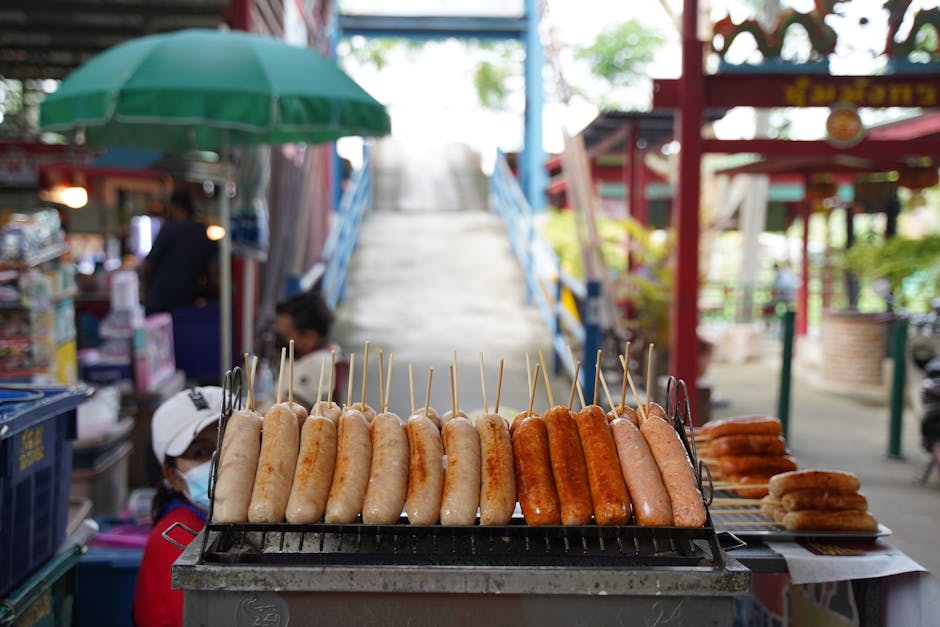
3D food printing is evolving fast too. It’s being used for high precision layering of ingredients in ways that mimic muscle fiber, fat distribution, or even that satisfying “snap” of a sausage casing. The tech isn’t just cosmetic. It’s engineered for mouthfeel, bite progression, and how the item reacts to heat and saliva.
Meanwhile, sensory first dining experiences are shedding the gimmicks. Chefs and scientists are teaming up to deliver meals where texture leads and taste follows. Diners aren’t just rating flavor they’re analyzing contrast, tension, and temporal mouth shifts. The food scene isn’t just edible anymore, it’s tactile strategy.
Learn more about texture’s role in taste and the future of food at this deep dive.