When Dinner Goes Off the Rails
Let’s get this out of the way: everyone messes up in the kitchen. Even seasoned home cooks scorch sauces, oversalt soups, or overcook a perfectly good steak now and then. It happens. Real life cooking is rarely as clean or flawless as a recipe photo.
But here’s the important part knowing how to adapt matters more than aiming for perfection. Mistakes aren’t dead ends; they’re detours. And the more you learn how to recover from a cooking slip up, the more confident and flexible you get with your food. That’s not just about saving dinner. It’s about leveling up as a cook.
So if you’ve got a pan full of regret, don’t panic. There’s almost always a way forward, and half the game is just not giving up.
Common Overshooting Mistakes
Cooking at home means playing without a net. A little heavy handed with the salt, too generous with the chili flakes, or a splash too much vinegar and suddenly the dish leans way off balance. The truth? It’s rarely one big mistake. It’s small oversteps that stack up. Salt is brutal this way. Once it’s in, it doesn’t back down. Spice can numb everything else. And too much acid makes everything taste thin.
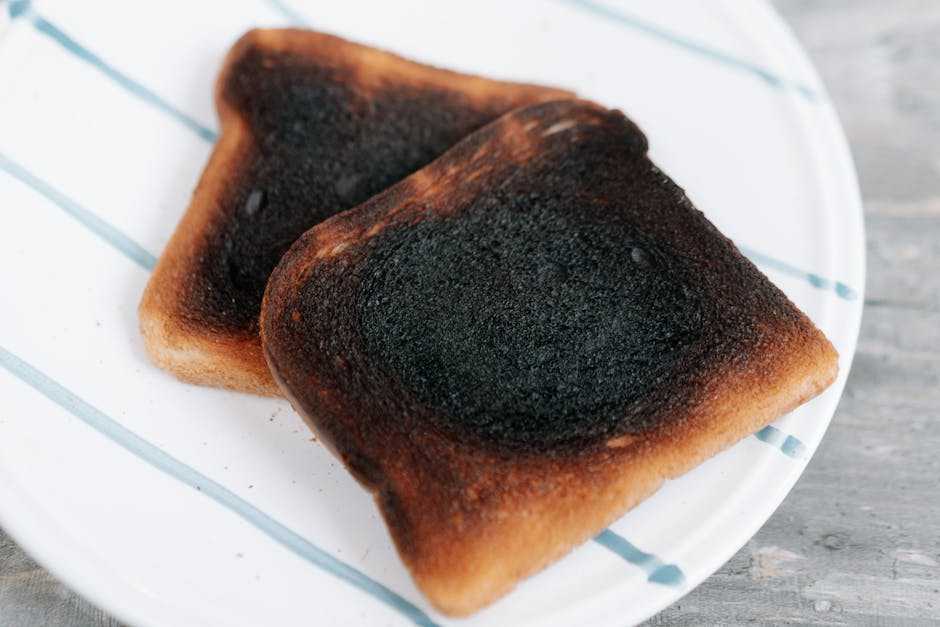
Then come the texture traps. Overcooked proteins turn rubbery fast. Chicken dries out, fish gets crumbly, steak turns into jerky. Veggies lose all their snap and go sad and soggy. And sauces once burned carry that bitter note through every bite.
The key move? Catch it before it hits the plate. Taste. Glance. Feel the texture. A dry pan, a fading sizzle, or that overly sharp tang on your tongue these are warning signs. Don’t wait until the dish is dressed and served. Adjust mid stride. That’s the difference between a near miss and a save.
Home cooking isn’t about being perfect it’s knowing when something’s veering off, and having the guts to course correct early.
Fixing Overseasoned Food

So the salt shaker slipped. Or maybe you doubled the chili powder and now your mouth’s on fire. Relax this isn’t a throwaway situation. Most overseasoning issues can be fixed with basic kitchen moves.
Salt overload? Go straight to dilution. If it’s a soup, stew, or sauce, add more liquid water, low sodium broth, even an extra can of tomatoes. Then, stretch the rest of the ingredients to balance the flavor. Add more veg, a bit of protein, or grains to soak it up. The key is balance over masking.
Spiced it into chaos? Dairy is your secret weapon milk, yogurt, sour cream, even a splash of cream can tame the heat. Sugar helps too, especially in tomato based dishes or curries. And starch is a workhorse for absorbing both spice and salt. Think rice, plain potatoes, pasta anything bland enough to pull flavor back into focus.
Too sour? Neutralize it. A pinch of sugar can mellow out vinegar or citrus. A splash of cream or butter helps too. Baking soda in tiny amounts can cut acid but go slow, or you’ll swing too far the other way.
When in doubt, toss in a starch. Potatoes, rice, or noodles can dilute strong flavors and bulk up the dish. And if that still doesn’t save it? Turn it into something else entirely. That overpowering stew can be tomorrow’s filling for tacos or pie.
Full breakdown of fixes here: rescue cooking mistakes
Salvaging Overcooked Dishes
Dry chicken? You’re not alone overcooking is one of the easiest mistakes to make. But it’s reversible. Slice up that leathery bird and simmer gently in a flavorful broth or sauce. Even better if it’s something creamy or tomato based to lock in moisture. If you’re prepping lunchboxes or a rice bowl, shred the chicken and mix with sauce heavy toppings. It’ll come back to life.
Burnt sauces are a harder pill to swallow. If it’s a light scorch and hasn’t turned bitter, you might be able to save the unburnt portion by carefully transferring it to a new pan don’t scrape the bottom. But if the whole thing tastes off? Toss it. No shame. Start fresh and don’t let the pan out of your sight next time.
Now for mushy vegetables: they’ve lost their bite, not their value. Blend them into a soup with a quick hit of stock and seasoning. Or embrace texture and toss them into a frittata or savory pancake where structure isn’t the star anyway. What looks like a side dish disaster can easily shape shift into something cozy and intentional.
Above all, pivot with purpose. Screwed up dinner can still make an excellent lunch, sauce base, pasta toss, or breakfast hash if you stop thinking of it as ruined. Cooking is flexible. You should be too.
More ideas here: rescue cooking mistakes
Pro Habits to Avoid the Same Mistakes
Most kitchen slips come from skipping the basics. So let’s keep it simple.
Taste as you go. Every time. Doesn’t matter if it’s soup, stir fry, or salad checking flavors early and often is how pros avoid disasters and how home cooks turn good into great. It’s not optional.
Understand carryover cooking. That steak or chicken breast you pulled off the heat? It’s still cooking. Residual heat, especially in proteins and dense dishes, keeps the internal temperature climbing for a few more minutes. Remove things just before they’re “done,” not after.
Season in layers. Dumping in salt or herbs at the end is like sending a postcard after the trip it doesn’t land. A pinch in the pan, another as things simmer, maybe one more before plating. Build flavor gradually, with intention.
Use timers. Seriously. Relying on vibes alone is how rice gets burned and cookies turn to bricks. Set the timer, then trust it. If you’re juggling multiple dishes, use more than one. Your future self will thank you.
These habits sound small, but they’re the difference between fixable and flawless. Make them second nature.
Wrap Up on Rescue Tactics
Screwing up a dish doesn’t mean tossing it in the trash it means getting creative. You don’t need to start over. You just need to start smarter. Maybe the chicken’s too dry or the soup got carried away with salt. That’s not failure. That’s a pivot point.
Seasoning slip ups or overcook chaos aren’t dead ends they’re moments to flex your kitchen instincts. Add a starch, blend it into something new, dilute, mask, rework. Vlogging your fix is even better people love a comeback story.
The real pros keep a few tools up their sleeve: tinned tomatoes, plain rice, bread for absorbing salt, canned beans to dilute overdone stews. The pantry is your emergency kit. And your mindset? Pure troubleshooting mode. Cooking isn’t about perfection. It’s about solving tasty little problems and making it look easy. Or better yet, making it real.