Fusion Without the Faux Pas
“Fusion” gets tossed around a lot. In food, it’s often shorthand for mixing flavors and techniques from different cultures on a single plate. Done right, it’s creative, thoughtful, and rooted in respect. Done wrong, it comes off lazy or even offensive. The difference? Intention.
True fusion dishes don’t just throw soy sauce on spaghetti or slap kimchi on a burger for novelty. They dig deeper into histories, flavor profiles, and preparation methods. There’s a why behind each choice, not just a trend to chase. When chefs care about what a dish means to a place, a people they’re more likely to create something that adds to the conversation, not just borrows from it.
Still, the line between innovation and insensitivity is thin. Sushi burritos might be convenient, but how they’re marketed matters. Calling something “Asian inspired” without specifying which part of Asia, or glossing over the cultural weight of certain ingredients, turns a good idea into a missed opportunity or worse, a punchline.
On the flip side, fusion can be a beautiful bridge. Roy Choi’s Kogi tacos hit because they’re real rooted in both Korean and Mexican culinary traditions, and born from his own lived experience. Meanwhile, restaurants pushing “ethnic fusion” with no connection to the cultures involved often end up with confused dishes and even more confused diners.
In short: fusion is more than mixing ingredients. It’s about bringing pieces of culture together with clarity, purpose, and humility. If you’re creating with care, you’ll usually know. And your diners will too.
Understand First, Create Second
If you’re going to touch a traditional dish, start with understanding it. Not just the recipe but the why behind the ingredients, the when of its preparation, the who it was made for. Dishes don’t appear out of thin air; they’re shaped by environment, history, celebration, and survival. Before you reimagine it, you need to learn its original form.
That means going deeper than a quick Google search. Seek out voices from inside the culture chefs, home cooks, writers, elders. Find their interviews. Read their cookbooks. Better yet, if you have access, talk to them. Ask how the dish is used, what the non negotiables are, what memories it carries.
When you show that level of care, it comes through on the plate. Respect looks like remembering the base before layering new elements on top. It sounds like giving credit when you bring something forward. And it tastes better not just because you cooked it well, but because it was made with an understanding that crosses borders, not tramples them.
Credit Where It’s Due
Creating a fusion dish means weaving multiple culinary traditions into one new expression. But innovation should never come at the cost of erasure. Giving visibility to your influences doesn’t just add credibility it shows respect.
Acknowledge Your Culinary Lineage
Every dish has a backstory. The spices, techniques, and flavor combinations you work with all originated somewhere and from someone. When you credit those sources, you’re showing that you’re not just borrowing, but learning and honoring.
Mention the cultural origin of key techniques and ingredients.
Give a nod to the chefs, cooks, or food writers who inspired you.
Use your platform to amplify voices from the original culture.
Why Naming the Roots Matters
Naming the root of a dish prevents it from being flattened into something generic or ‘trendy.’ Cultural foods are often deeply connected to identity, memory, and community. Recognizing that helps keep food storytelling accurate and inclusive.
Helpful practices include:
Including the origin cuisine in menu or recipe descriptions.
Describing not just what an ingredient is, but where it comes from and how it’s traditionally used.
Educating your audience rather than presenting a dish as a standalone invention.
Case Studies: Doing It Right
Many chefs are paving the way by fusing flavors while keeping credit intact:
Mokbar (New York City): Combines Korean and Japanese influences, always naming traditional roots and updating them respectfully.
Mister Jiu’s (San Francisco): Chef Brandon Jew reinterprets classic Cantonese dishes while diving into Chinese American history and flavor evolution.
Mashama Bailey (The Grey, Savannah): Chef Bailey brings Southern Black culinary traditions into contemporary formats, making her influences central to her storytelling.
These chefs prove that honoring your sources isn’t a creative limitation it’s an essential part of doing fusion with integrity.
Full breakdown in our avoid appropriation guide
Avoiding Tokenism in Ingredients
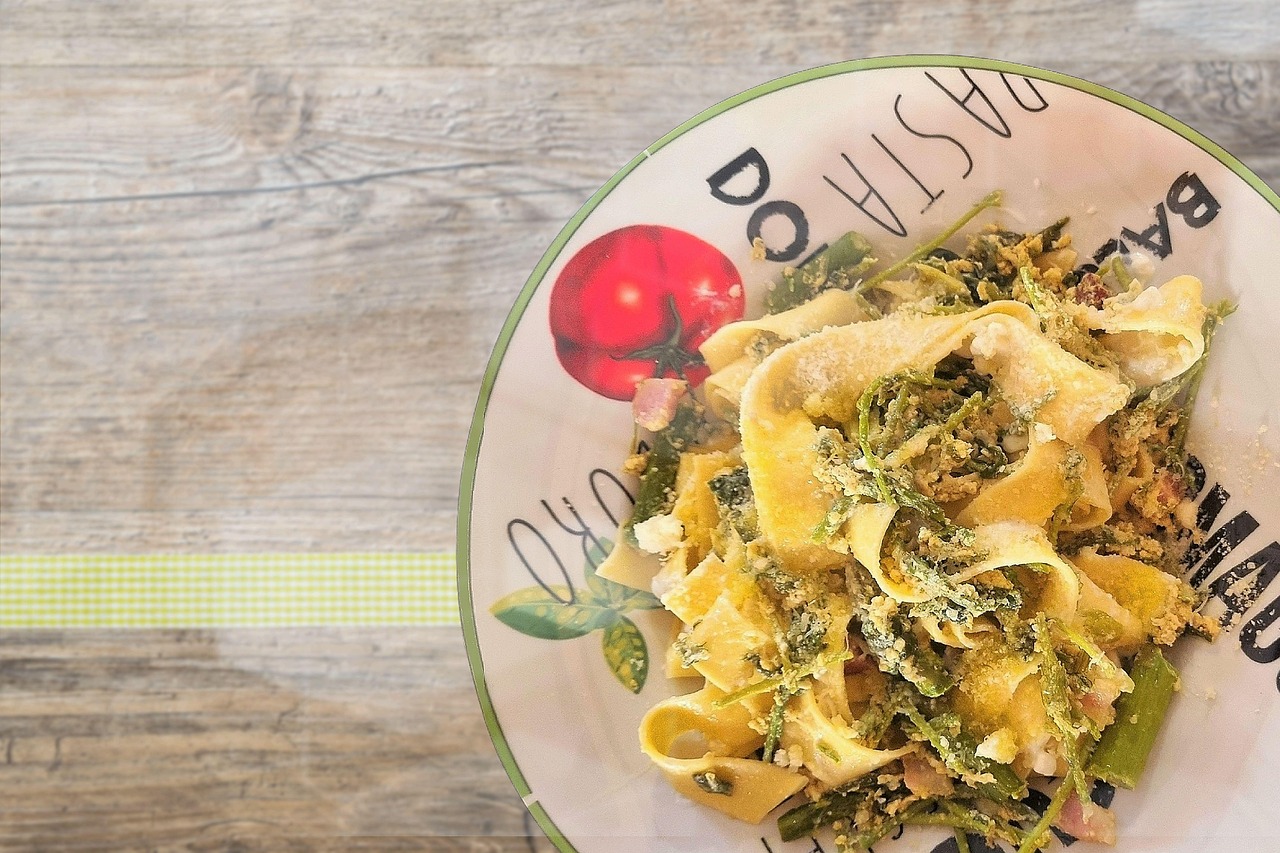
Too often, so called fusion dishes rely on what “sounds” exotic rather than what makes sense. A sprinkle of sumac or a dollop of sambal may look adventurous on the plate, but if they’re thrown in just for flair without understanding flavor profile, pairing, or cultural significance it rings hollow. Worse, it can come off as performative.
Traditional ingredients deserve more than name drops. Use them because they elevate the dish, not because they dress it up. That means doing the work: asking where an ingredient comes from, how it’s traditionally used, and whether it makes sense in your specific recipe. Does it enhance or confuse the plate? Every choice needs context.
There’s also a fine line between authenticity and accessibility. Not every diner will have tasted fermented cassava or giant ear mushrooms, and that’s okay. If you’re going to feature culturally rooted ingredients, offer a point of connection something that educates or eases people in without watering things down. Let curiosity guide them, not shock value.
The goal isn’t to gatekeep food. It’s to treat each ingredient as more than a prop. When you get that right, people taste the difference and feel it too.
Collaboration Beats Extraction
Creating respectful, culturally grounded fusion dishes isn’t a solo mission. One of the most effective ways to avoid cultural missteps in the kitchen is through genuine collaboration. Elevating the voices of those who live and breathe the traditions behind a cuisine can transform your dish from guesswork into a meaningful expression.
Involve Culture Bearers Early
Instead of working from secondhand assumptions or watered down versions of recipes, consider:
Asking elders or community leaders about the cultural significance of certain dishes
Connecting with writers, food historians, or documentary resources focused on that culinary tradition
Seeking out authentic cookbooks or interviews created by people from the culture you’re exploring
When you include respected voices at the start of your process, you’re not just borrowing flavor you’re building understanding.
Partner with Chefs from the Culture
True partnership goes beyond occasional consultation. It means two way dialogue and shared creative ownership. Depending on your project, this could be:
Co developing a menu with a chef native to the cuisine
Inviting guest chefs into your kitchen for collaborative sessions
Featuring their dishes or insights in your own culinary spaces, with full credit
This kind of collaboration enriches both sides and leads to dishes that blend creativity with depth.
When in Doubt, Ask Don’t Assume
Assumptions are responsible for many well intentioned culinary mistakes. If you’re unsure whether a certain twist or presentation respects the roots of a dish, reach out:
Send a message to a cultural representative or food expert
Ask for feedback from members of the culture before sharing it with a wider audience
Be open to correction and adaptable in your methods
Few people will fault a chef for asking thoughtful questions. The willingness to learn is a form of respect in itself.
More tips to get this right: avoid appropriation guide
Make It Original, Not a Mash up
Creating memorable fusion cuisine means going beyond random combinations. It’s about honoring the integrity of each cultural element while crafting something genuinely new.
Move Past Surface Level Hybrids
Too often, fusion is reduced to gimmicks dishes that simply stack recognizable traits from different cuisines without deeper thought.
Avoid:
Tossing kimchi on tacos without understanding either dish
Mixing ingredients for shock value rather than flavor harmony
Mashing techniques without respecting origin or context
Successful fusion respects traditions before blending them. It’s about building on history, not distorting it.
Honor Without Flattening
Authentic fusion celebrates multiple cuisines without diminishing their unique identities.
Tips to consider:
Preserve core cooking techniques from each tradition
Let flavors complement, not compete
Keep cultural context intact in presentation and naming
Ask yourself: does the dish reflect understanding of both cuisines, or just a stylistic remix?
Techniques for Thoughtful Integration
Being respectful doesn’t mean you can’t be creative. It means working with intention, not assumption. Here’s how:
Study traditional pairings from both culinary worlds to find natural bridges
Balance flavor profiles sweet, salty, sour, spicy without overpowering one cuisine
Be precise with naming: if your dish draws heavily from Thai and Mexican roots, be clear about both, and avoid blurring them into a vague label like “Asian Latin fusion”
Test with audiences connected to the cuisine: their feedback is crucial for integrity
Thoughtful fusion is a culinary dialogue, not a shortcut to trendiness. When done right, it creates something that values both the process and the cultures behind the plate.
Your Takeaway
Fusion isn’t a shortcut. It’s a responsibility. When done with care, it doesn’t just slap two cuisines together it creates something new that honors both. The difference is intention. Are you celebrating a flavor or just borrowing it because it’s trendy? Are you curious enough to ask questions, learn history, understand context? Or are you just mixing for the wow factor?
Respect shows up in the process, not just on the plate. It’s visible in how you treat ingredients, name a dish, credit influences, and include voices that belong to the culture you’re drawing from. Fusion should build bridges, not erase the stories behind the food.
So, if you’re going to innovate, do it with your sleeves rolled up and your ego checked. Be real about what you know and what you still need to learn. Anything less, and you’re just taking. Anything more, and you’re contributing. That choice lives in every recipe you write.