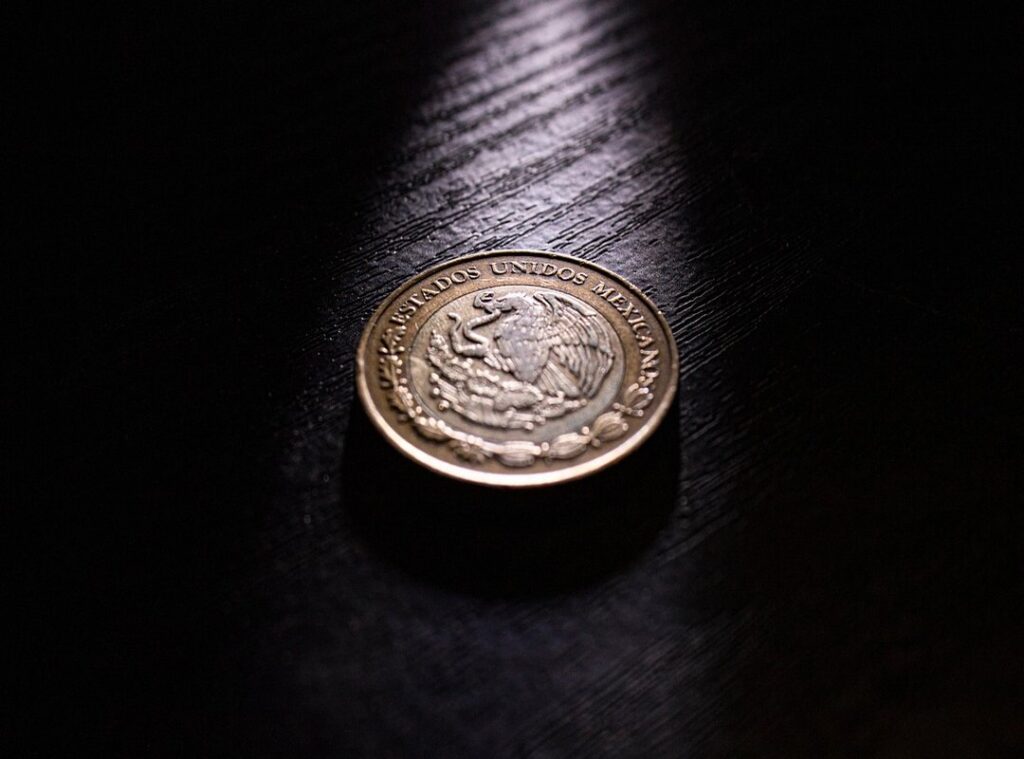
Currently, 600 Mexican Pesos is worth approximately 35,000 Chilean Pesos. This exchange rate changes daily, and this guide will show you how to find the most up-to-date value.
I’ll walk you through how to calculate the conversion yourself. You’ll also learn about the factors that influence the exchange rate.
Do you need to plan a trip from Mexico to Chile? Or maybe you’re sending money between the two countries. Whatever your reason, I’ve got you covered.
You’ll get practical tips for getting the best deal when exchanging money. No hidden fees, no confusing jargon. Just clear, straightforward advice.
What Drives the Mexican Peso to Chilean Peso Exchange Rate?
An exchange rate is simply the value of one country’s currency in relation to another. For example, how many Mexican Pesos (MXN) you need to get one Chilean Peso (CLP). Using these official currency codes, MXN and CLP, helps avoid confusion when dealing with international transactions.
-
Interest Rates: The central banks of Mexico and Chile set interest rates that can significantly impact the MXN/CLP rate. Higher interest rates in one country can attract more foreign investment, strengthening its currency. But here’s a twist: sometimes, high interest rates can signal economic instability, which might scare off investors.
-
Commodity Prices: Commodity prices play a big role too. Copper is a major export for Chile, so when copper prices rise, the CLP tends to strengthen. Similarly, oil prices affect the MXN.
When oil prices are high, the Mexican Peso often gains strength. But let’s not forget, this isn’t always a straightforward relationship. Sometimes, other factors like global demand and supply chain issues can muddy the waters.
-
Political Stability and Economic Growth: Both political stability and economic growth are crucial. A stable and growing economy in either country can make its currency more attractive. However, it’s not just about the numbers.
Public perception and investor confidence also matter. If there’s a lot of uncertainty, even a strong economy might not be enough to keep the currency strong.
Inflation is another key factor. A higher inflation rate in one country can decrease the value of its currency. This is because inflation erodes purchasing power, making the currency less valuable.
But here’s where it gets interesting: sometimes, moderate inflation can be a sign of a growing economy, which can actually boost the currency in the short term.
600 pesos mexicanos a chilenos can fluctuate based on all these factors. It’s not just about the numbers; it’s about understanding the broader economic and political landscape. So, while it’s easy to follow the common advice, it’s often more useful to dig deeper and see what’s really driving the changes.
How to Calculate Your Conversion in Two Simple Steps
Calculating your currency conversion doesn’t have to be a headache. Let’s break it down into two simple steps.
Step 1: Finding the Live Mid-Market Rate.
This is the ‘real’ exchange rate without any fees. It’s like the true north of currency conversion. You can find this rate on reliable sources like Google Finance, XE.com, or even your bank’s foreign exchange calculator.
Step 2: The Conversion Formula.
Here’s the formula you need:
Amount in Mexican Pesos (MXN) × Current MXN to CLP Rate = Amount in Chilean Pesos (CLP). 600 pesos mexicanos a chilenos
Let’s say the current rate is 1 MXN = 55 CLP. The calculation would be: 600 MXN × 55 = 33,000 CLP.
Now, let’s look at a few more examples to make sure you’ve got it.
| Mexican Pesos (MXN) | Chilean Pesos (CLP) |
|---|---|
| 100 | 5,500 |
| 500 | 27,500 |
| 1,000 | 55,000 |
| 5,000 | 275,000 |
This table gives you a quick reference for common amounts. For example, if you have 600 pesos mexicanos a chilenos, you can see how it converts easily.
Remember, this calculation gives you the baseline value before any fees or commissions are applied. That’s important because those extra costs can add up, and we’ll cover that in the next section.
Why the Rate You See Online Isn’t What You Actually Get

Ever wondered why the exchange rate you see online isn’t what you end up with? It’s a common frustration. The mid-market rate is the real, current exchange rate between two currencies.
But when you go to a bank or an exchange service, they offer you a different rate—the tourist rate or consumer rate.
This difference is called the spread. It’s the gap between the price they buy a currency for and the price they sell it at. This spread is their main profit margin.
Banks and exchange services also add hidden fees. These can include service charges, commissions, or flat transaction fees. All these extra costs eat into the final amount of Chilean Pesos you receive.
Let’s use 600 pesos mexicanos a chilenos as an example. If there’s a 5% fee, that can reduce your final amount by a significant number of Chilean Pesos.
Always ask for the final amount you will receive after all fees are deducted before agreeing to an exchange. It’s better to know exactly what you’re getting upfront.
Smartest Ways to Exchange Your Pesos: Comparing Your Options
So, you’ve got some pesos burning a hole in your pocket, and you need to exchange them. Let’s break it down.
- Airport Kiosks: Super convenient, but the worst rates. It’s like buying a bottle of water at a concert—way overpriced.
- Major Banks: Safer, but they hit you with moderate fees. Think of it as a security blanket that costs a bit extra.
- Local Currency Exchange Offices: Can be competitive, but do your research. Some are better than others, and you don’t want to get stuck with a dud.
Now, if you’re in Chile, using a credit card with no foreign transaction fees is a smart move. They often give you rates close to the mid-market rate. It’s like getting a good deal without even trying.
Withdrawing CLP from a local ATM in Chile using your debit card is often one of the most cost-effective ways to get cash. But watch out for those pesky bank fees from both ends. It’s like a double whammy, so check with your bank first.
And here’s a final tip: always notify your bank of your travel plans. The last thing you need is your cards being frozen because they think you’re up to no good.
Oh, and if you’re converting 600 pesos mexicanos a chilenos, make sure to compare the rates. You don’t want to end up with less than you bargained for.
Getting the Most Value for Your 600 Mexican Pesos
The value of 600 pesos mexicanos a chilenos fluctuates daily. Now, you know how to find the current exchange rate and calculate it. The most important lesson is that the best exchange rate can be offset by hidden fees.
Always check the final amount you will receive. Using a fee-free credit card for purchases or a local ATM for cash withdrawals are among the smartest options. By comparing your options and understanding the fees, you can ensure you get the maximum value for your money on your next transaction or trip.
 Barbarana Wilkinstucks is the kind of writer who genuinely cannot publish something without checking it twice. Maybe three times. They came to nummazaki flavor foundations through years of hands-on work rather than theory, which means the things they writes about — Nummazaki Flavor Foundations, Recipe Adaptation Ideas, Global Taste Explorations, among other areas — are things they has actually tested, questioned, and revised opinions on more than once.
That shows in the work. Barbarana's pieces tend to go a level deeper than most. Not in a way that becomes unreadable, but in a way that makes you realize you'd been missing something important. They has a habit of finding the detail that everybody else glosses over and making it the center of the story — which sounds simple, but takes a rare combination of curiosity and patience to pull off consistently. The writing never feels rushed. It feels like someone who sat with the subject long enough to actually understand it.
Outside of specific topics, what Barbarana cares about most is whether the reader walks away with something useful. Not impressed. Not entertained. Useful. That's a harder bar to clear than it sounds, and they clears it more often than not — which is why readers tend to remember Barbarana's articles long after they've forgotten the headline.
Barbarana Wilkinstucks is the kind of writer who genuinely cannot publish something without checking it twice. Maybe three times. They came to nummazaki flavor foundations through years of hands-on work rather than theory, which means the things they writes about — Nummazaki Flavor Foundations, Recipe Adaptation Ideas, Global Taste Explorations, among other areas — are things they has actually tested, questioned, and revised opinions on more than once.
That shows in the work. Barbarana's pieces tend to go a level deeper than most. Not in a way that becomes unreadable, but in a way that makes you realize you'd been missing something important. They has a habit of finding the detail that everybody else glosses over and making it the center of the story — which sounds simple, but takes a rare combination of curiosity and patience to pull off consistently. The writing never feels rushed. It feels like someone who sat with the subject long enough to actually understand it.
Outside of specific topics, what Barbarana cares about most is whether the reader walks away with something useful. Not impressed. Not entertained. Useful. That's a harder bar to clear than it sounds, and they clears it more often than not — which is why readers tend to remember Barbarana's articles long after they've forgotten the headline.