Why Good Knife Skills Matter
Knife skills aren’t about showing off they’re about working smarter in the kitchen. A sharp blade guided by steady hands makes prep faster, safer, and cleaner. You’ll chop onions in seconds instead of struggling through them. You’ll slice tomatoes without squashing them. Mistakes drop, control goes up.
Consistent knife work also brings your cooking to life visually. Even cuts mean even cooking. Your stir fries won’t have half burnt carrots. Your soups won’t surprise you with undercooked potatoes hiding between mush. It’s not just about looks it’s about texture, timing, and taste.
Good technique also stretches your groceries further. Clean cuts mean less trimming and fewer wasted scraps. That adds up. And maybe most important of all: when your hands know what they’re doing, you feel like you belong in the kitchen. That quiet confidence? That’s the real win.
Grip and Stance: The Foundations
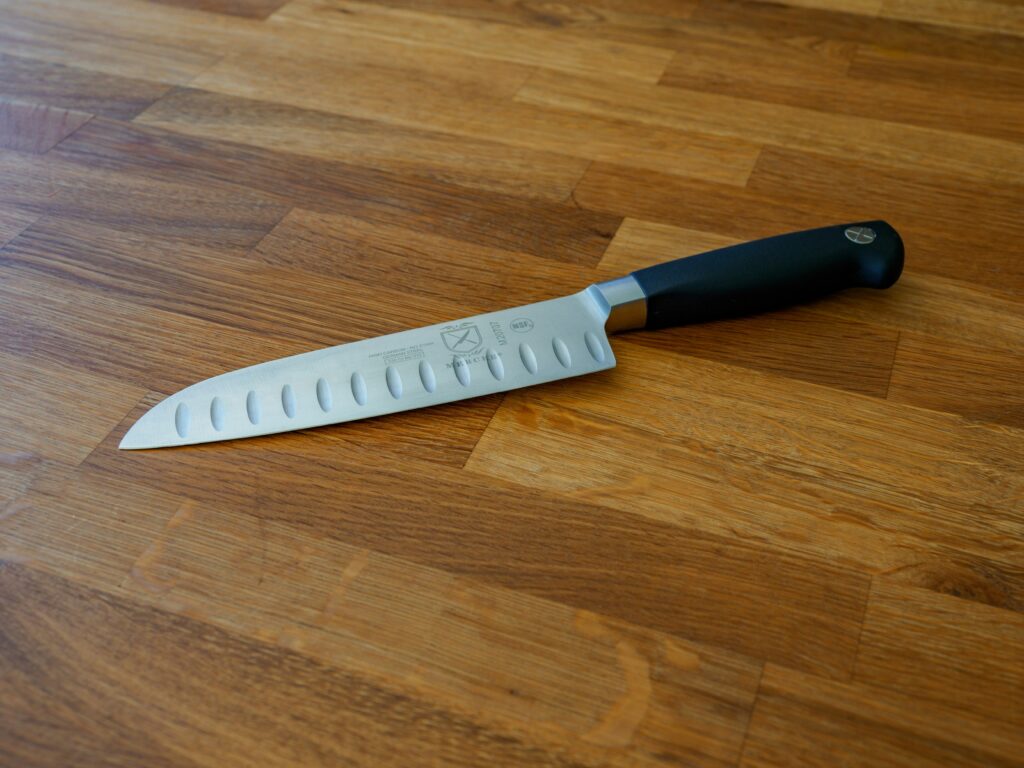
Let’s start with how to hold a chef’s knife the one skill that quietly impacts everything else. Pinch the blade itself between your thumb and the side of your index finger, just above the handle. Your other three fingers wrap around the handle. This grip gives you balance and control. Holding a knife like a baseball bat? That’s a shortcut to strain and sloppy cuts.
Now the stance. Stand shoulder width apart with the cutting board at mid chest height. Your non dominant foot goes slightly forward, knees easy, posture relaxed. It should feel like getting ready to shoot a free throw, not like a stiff kitchen ballet.
As you cut, the motion should be fluid and come from your shoulder and elbow not your wrist. Keep your knife tip in light contact with the board, then rock and push forward in one clean motion. Less flick, more glide. This helps avoid fatigue, especially when you’re chopping for a full meal. It also keeps the cuts cleaner and more consistent.
Master this early, and everything else from mincing garlic to dicing onions gets a lot easier.
The Essential Cuts to Master First
Mastering a few foundational cuts can open up a whole new level of precision and confidence in the kitchen. These techniques are used in countless recipes and once you get them down, prep work becomes faster, safer, and a lot more fun.
The Rock Chop
Best for: Herbs, soft produce (like mushrooms or tomatoes)
Use a gentle, rocking motion with the tip of the knife anchored to the board.
Keep the non cutting hand in a “claw” position to guide the food.
Great for mincing parsley, basil, or garlic finely and efficiently.
Julienne and Batonnet
Best for: Carrots, bell peppers, potatoes
Julienne: Thin matchstick cuts (about 1/8 inch thick).
Batonnet: Thicker sticks (about 1/4 inch thick).
These cuts are especially useful for stir fries, salads, and garnishes.
Tip: Try squaring off oddly shaped vegetables for easier, more uniform slicing.
The Dice: Small, Medium, Large
Best for: Onions, zucchini, fruits, and more
Start with a batonnet (stick cut), then rotate and slice across.
Small dice: about 1/4 inch
Medium dice: about 1/2 inch
Large dice: about 3/4 inch
Understanding the difference is important for recipe accuracy and even cooking.
Chiffonade
Best for: Leafy greens and herbs (like basil, spinach, or mint)
Stack leaves, roll them up tightly (like a cigar), and slice into thin ribbons.
Adds a delicate, elegant touch to salads, soups, and sauces.
Want more visuals and practical guidance? Check out this in depth knife skills guide to take your cutting confidence even further.
Knife Care 101
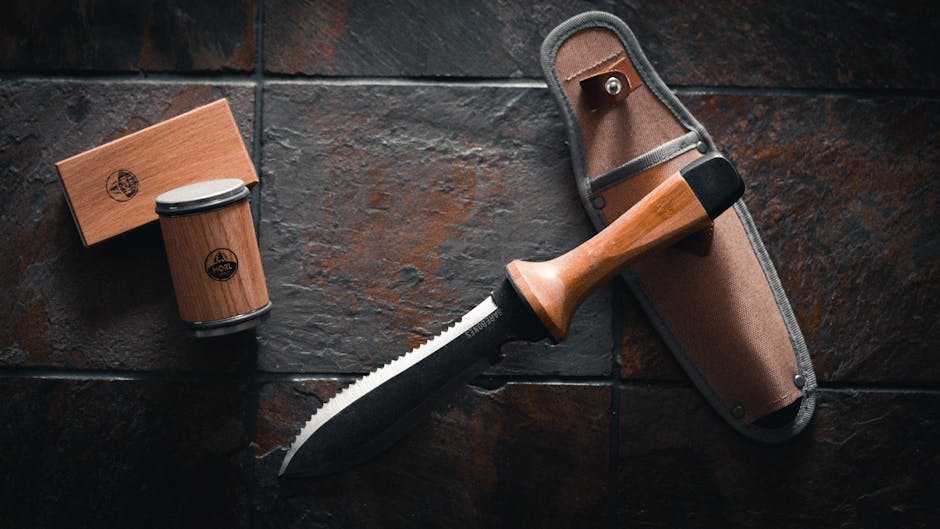
Let’s settle it: honing and sharpening are not the same thing. Honing re aligns the edge of your knife it’s a quick fix that keeps your blade cutting clean between sharpenings. You can (and should) hone often, ideally every few uses. Grab a honing rod, hold the knife at about a 15 20° angle, and run it along each side a few times. It’s less about pressure and more about consistency.
Sharpening, on the other hand, actually removes metal to restore the edge. This is heavier maintenance. Most home cooks only need to sharpen every few months, depending on use. Whetstones do the job well, but if you’re not ready to go full sensei, find a reputable knife shop or send it out to a pro. Don’t rush this. A poorly sharpened knife is worse than a dull one.
After use, wash your knife by hand and skip the dishwasher. It’s too harsh. Hot water, mild soap, and a towel dry immediately after rinsing keep your blade in good shape. Leaving it wet means rust, no matter how fancy the steel.
Finally, don’t just toss your knife into a drawer. Use a magnetic strip, sheath, or wooden block. A sharp blade bumping into utensils not only dulls fast, but it’s also a painful accident waiting to happen. Treat your knife like a tool, not a kitchen ornament, and it’ll have your back for years.
Smart Practices for Everyday Cooking
The first step to knife confidence is using the right tool for the job. Don’t reach for a paring knife to chop sweet potatoes that’s a wrist injury waiting to happen. Chef’s knives do the heavy lifting. Paring knives are for detail work. Serrated edges slice through crusty bread with ease. Know your blades, and use them with purpose.
Prep is smoother when your space is clear. Keep your board clean, your scraps out of the way, and your go to ingredients nearby. Clutter gums up flow and slows you down. Wipe the board often, keep a scrap bowl handy, and don’t let dirty knives pile in the sink.
Good knife skills aren’t about speed they’re about repetition. Slice onions ten times a week? You’ll level up faster than any fancy online course can teach you. If your cuts feel clumsy, that’s fine. It’s less about talent, more about time with your knife and a cutting board.
Explore more expert tips in this knife skills guide.
Common Mistakes to Avoid
Let’s get this straight: a dull knife is a hazard. It doesn’t slide cleanly through food it slips, bounces, or forces you to muscle through the cut. That’s when accidents happen. Keep your blades sharp, and they’ll do most of the work for you.
Next up, the bear claw grip. It’s not just for looks it’s how you protect your fingers. Curl them under, rest the flat of the blade against your knuckles, and you’ll create a natural guide that keeps your digits out of harm’s way. Ignore it, and you’re just tempting the blade.
Finally, speed. Everyone wants to chop like a pro, fast and flashy. But trying to go fast before you’ve nailed form is a shortcut to sloppy cuts or worse. Focus on control first. Precision builds speed over time. Go slow. You’ll go fast soon enough.
Taking It to the Next Level
If you’ve got the basics down, it’s time to push further. Start with staple ingredients like onions, carrots, and herbs. These give you a mix of textures and resistance that improve control and accuracy. Onions teach you spacing and consistency. Carrots help you build strength and steadiness. Herbs test your finesse.
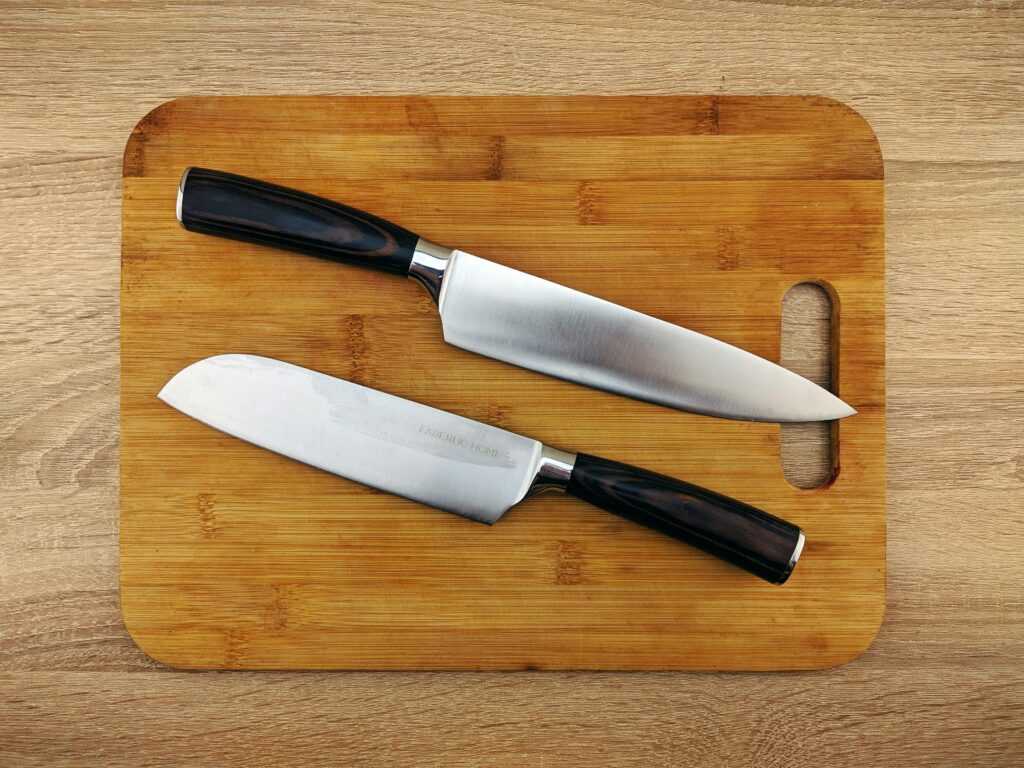
Don’t stop at the chef’s knife. Try different blades paring for detailed work, serrated for bread and soft produce, santoku for general slicing with minimal stick. Each reacts differently in your hand. Learning how and when to use them builds versatility.
And here’s the thing: mastery doesn’t come from a weekend binge of food videos. It comes from cooking often, staying curious, and treating each prep session as low stakes practice. Keep pushing yourself to learn new cuts, new dishes, new tools. Even twenty minutes a day sharpens more than just your knives.
 Xolren Vosswyn has opinions about nummazaki flavor foundations. Informed ones, backed by real experience — but opinions nonetheless, and they doesn't try to disguise them as neutral observation. They thinks a lot of what gets written about Nummazaki Flavor Foundations, Culinary Buzz, Practical Cooking Tricks is either too cautious to be useful or too confident to be credible, and they's work tends to sit deliberately in the space between those two failure modes.
Reading Xolren's pieces, you get the sense of someone who has thought about this stuff seriously and arrived at actual conclusions — not just collected a range of perspectives and declined to pick one. That can be uncomfortable when they lands on something you disagree with. It's also why the writing is worth engaging with. Xolren isn't interested in telling people what they want to hear. They is interested in telling them what they actually thinks, with enough reasoning behind it that you can push back if you want to. That kind of intellectual honesty is rarer than it should be.
What Xolren is best at is the moment when a familiar topic reveals something unexpected — when the conventional wisdom turns out to be slightly off, or when a small shift in framing changes everything. They finds those moments consistently, which is why they's work tends to generate real discussion rather than just passive agreement.
Xolren Vosswyn has opinions about nummazaki flavor foundations. Informed ones, backed by real experience — but opinions nonetheless, and they doesn't try to disguise them as neutral observation. They thinks a lot of what gets written about Nummazaki Flavor Foundations, Culinary Buzz, Practical Cooking Tricks is either too cautious to be useful or too confident to be credible, and they's work tends to sit deliberately in the space between those two failure modes.
Reading Xolren's pieces, you get the sense of someone who has thought about this stuff seriously and arrived at actual conclusions — not just collected a range of perspectives and declined to pick one. That can be uncomfortable when they lands on something you disagree with. It's also why the writing is worth engaging with. Xolren isn't interested in telling people what they want to hear. They is interested in telling them what they actually thinks, with enough reasoning behind it that you can push back if you want to. That kind of intellectual honesty is rarer than it should be.
What Xolren is best at is the moment when a familiar topic reveals something unexpected — when the conventional wisdom turns out to be slightly off, or when a small shift in framing changes everything. They finds those moments consistently, which is why they's work tends to generate real discussion rather than just passive agreement.