A Walk into the Aroma
Stepping into a traditional Middle Eastern spice souk is equal parts disorientation and seduction. The air hits you first dry, dense, charged with cumin, cardamom, dried limes, and a smoke of something just crushed. It doesn’t smell like one thing. It smells like two dozen flavors colliding mid step, all vying for your attention.
It’s chaos, but it’s methodical. Burlap sacks sag open, revealing mountains of saffron, turmeric, and clove. Sellers call out offers. Locals haggle in half sentences, hands gesturing toward scales. The pace is unhurried but never still. It’s not a grocery store. This is an archive. Each scoop of spice holds a freight of memory of trade caravans, of mothers teaching daughters to season stew, of ports where cinnamon and pepper meant power.
What makes these markets different isn’t just the ingredients. It’s how scent becomes story. You’re not just buying flavor you’re inhaling a geography lesson. One corner smells like southern Iran. Another like the coast of Yemen. Spices don’t just fill bellies here. They fill gaps in history textbooks. And in these souks, that history sits open like pages in the sun.
Spices That Built Civilizations
Long before commercial airlines and container ships, spices crossed continents on foot and by camel. The Middle East stood at the heart of it all: a nexus between the East’s spice gardens and the West’s hungry markets. Caravans moved gold, silk, and cinnamon along the Silk Road. The Spice Road, spanning land and sea, funneled everything from Indian cardamom to Indonesian cloves straight through desert cities and ports like Aleppo, Baghdad, and Muscat.
But this wasn’t just trade. It was transformation. Spices weren’t side gigs for empire builders they were sometimes the reason empires existed. Their value wasn’t just in flavor. Saffron could fetch more than its weight in gold. Salt preserved armies. Sumac gave life to dull grains. Blends like baharat and dukkah became identity markers just as much as flags and dialects.
Today, the same markets that once weighed nutmeg like treasure still carry that legacy in every scoop. Za’atar isn’t just seasoning it’s regional pride. And saffron? Still precious, still painstaking.
In these spice souks, history isn’t behind glass. It’s crushed, spooned, sniffed, and sold by the gram.
Navigating the Market Like a Local
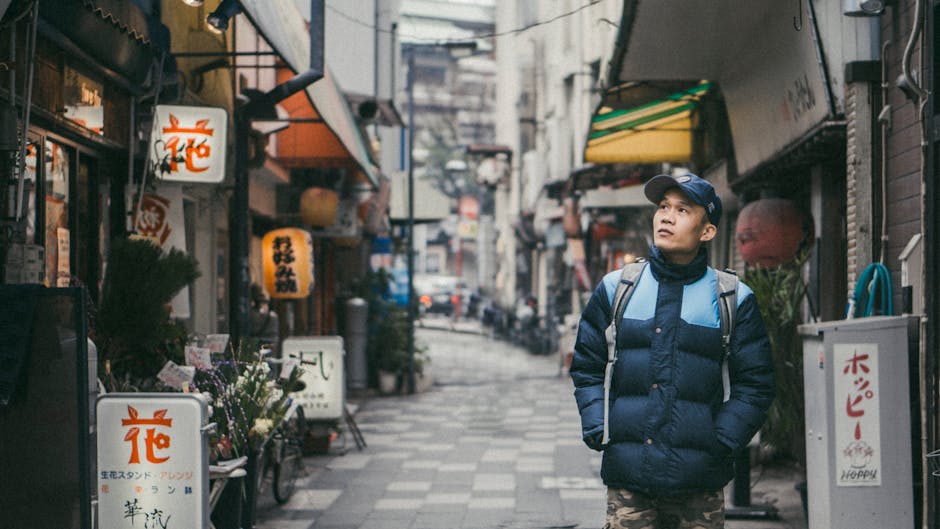
Walking into a spice market without a plan is like stepping onto a football field without a playbook. The energy sucks you in vendors calling out, colors flaring from burlap sacks, and dozens of hands offering tastes or deals. But if you’re aiming for authenticity, not tourist fluff, here’s how to play it smart.
How to Find Authentic Vendors
Start with your eyes and your feet. Skip the slick displays at the front entrances real vendors often sit deeper in the alleys, relying on regulars, not signs. Look for stalls with handwritten labels, stacked baskets, and vendors actually blending or roasting on site. Ask locals where they shop. If the vendor can explain not just what a spice is, but where they got it, how to cook with it, and what it pairs with they’re worth your time.
Telltale Signs of Fresh vs. Stale Spices
Fresh spices hit your senses hard. Their color should be bold, not dusty. Give the blend a sniff: if it smells like the spice aisle back home, it’s probably been sitting too long. Real cinnamon curls slightly at the edges. Saffron threads should be dry yet flexible, deep red, not pale or frayed. Skip ground spices that look muted or clumpy. Bonus tip: vendors who let you taste or crush a bit between your fingers are usually more confident in their stock.
Price Negotiation Tips and Etiquette
Haggling is normal but respect matters. Don’t lowball just to test the waters. Start with a friendly conversation before moving to numbers. Ask about the origin of the spice first; you’ll learn something and show you’re not just there to bargain hard. When it’s time to talk price, suggest a counter but be ready to walk if it doesn’t feel fair. And never pull out your wallet until the deal’s set. Cash talks louder than cards here.
Master these basics, and the souk stops being a maze it becomes a map.
How Spice Culture Shapes the Cuisine
In the Middle East, spice isn’t about lighting your mouth on fire. It’s about layering. This is where the spice as flavor mindset separates itself from the Western obsession with heat. A dash of cinnamon in lamb stew, or a swirl of sumac on a salad, isn’t added to punish the tongue it’s added to deepen the experience. Spice is meant to lift, not dominate.
Same ingredient, different dialect: take cumin. In Egypt, it smooths into ful medames, slow cooked fava beans. In Morocco, it shows up bold in tagines. In Iran, it adds warmth to rice dishes layered with saffron and dried fruit. Every region draws on the same building blocks and ends up with entirely different blueprints.
Technique matters. Blooming spices in oil pulls their essential oils to the forefront something as simple as heating coriander seeds before grinding makes a dish sing louder. Dry roasting, steeping, grinding fresh on the spot these aren’t add ons, they’re core moves.
Middle Eastern cooking is a study in patience and precision. It’s not just about what you use; it’s how and when. Learn more about the heroes of the spice world here: Learn more about key Middle Eastern spices
Hidden Finds and Rare Blends
Some spice blends don’t come with labels or shelves. You won’t find them online or in glossy packaging. These are the house made mixes passed down through generations, sold from sacks under hanging bulbs in tucked away corners of souks. Think fenugreek heavy curry blends, rose petal ras el hanout, or smoked black lime chai spices that reflect a very specific neighborhood or family’s palate.
To find them, wander. Skip the stores near big tourist crowds. Ask locals where their mother shops. Look for stalls where the merchant grinds your order fresh or pulls a tin from under the counter. If a seller’s hands are stained with turmeric and the labels are handwritten in Arabic, you’re close.
Once you’ve got your treasure, treat it right. Store spice blends in airtight glass jars, away from heat and light. Write down the blend’s origin and intended use while it’s still fresh in your mind because odds are, you won’t find it again. And whatever you do, don’t stash them in the fridge. Spices hate humidity.
Explore the full story behind Middle Eastern spice traditions
 Barbarana Wilkinstucks is the kind of writer who genuinely cannot publish something without checking it twice. Maybe three times. They came to nummazaki flavor foundations through years of hands-on work rather than theory, which means the things they writes about — Nummazaki Flavor Foundations, Recipe Adaptation Ideas, Global Taste Explorations, among other areas — are things they has actually tested, questioned, and revised opinions on more than once.
That shows in the work. Barbarana's pieces tend to go a level deeper than most. Not in a way that becomes unreadable, but in a way that makes you realize you'd been missing something important. They has a habit of finding the detail that everybody else glosses over and making it the center of the story — which sounds simple, but takes a rare combination of curiosity and patience to pull off consistently. The writing never feels rushed. It feels like someone who sat with the subject long enough to actually understand it.
Outside of specific topics, what Barbarana cares about most is whether the reader walks away with something useful. Not impressed. Not entertained. Useful. That's a harder bar to clear than it sounds, and they clears it more often than not — which is why readers tend to remember Barbarana's articles long after they've forgotten the headline.
Barbarana Wilkinstucks is the kind of writer who genuinely cannot publish something without checking it twice. Maybe three times. They came to nummazaki flavor foundations through years of hands-on work rather than theory, which means the things they writes about — Nummazaki Flavor Foundations, Recipe Adaptation Ideas, Global Taste Explorations, among other areas — are things they has actually tested, questioned, and revised opinions on more than once.
That shows in the work. Barbarana's pieces tend to go a level deeper than most. Not in a way that becomes unreadable, but in a way that makes you realize you'd been missing something important. They has a habit of finding the detail that everybody else glosses over and making it the center of the story — which sounds simple, but takes a rare combination of curiosity and patience to pull off consistently. The writing never feels rushed. It feels like someone who sat with the subject long enough to actually understand it.
Outside of specific topics, what Barbarana cares about most is whether the reader walks away with something useful. Not impressed. Not entertained. Useful. That's a harder bar to clear than it sounds, and they clears it more often than not — which is why readers tend to remember Barbarana's articles long after they've forgotten the headline.