What’s Driving the Zero Waste Movement Now
The food world doesn’t operate in a vacuum it reacts. And right now, climate pressure is cranking up the heat. Droughts, fires, floods these aren’t buzzwords, they’re real disruptions to supply chains and food systems. For chefs and restaurant owners, sustainability is no longer a nice to have it’s survival strategy.
At the same time, diners are changing. People want meals that feel good going down and don’t weigh heavy later ethically or environmentally. They’re scanning menus for local sourcing, plant based options, low impact proteins. This isn’t fringe anymore. It’s mainstream expectations, especially among Gen Z and millennials.
And then there’s money. Food costs are unpredictable. Waste is expensive financially and reputationally. Kitchens that cling to business as usual practices are getting squeezed. Chefs aiming to stay competitive are going leaner, sharper. Smarter sourcing. Better tracking. Tighter control on every bit of inventory. The push for zero waste isn’t just about values it’s about staying in the game.
From Buzzword to Practice: How Chefs Are Making It Work
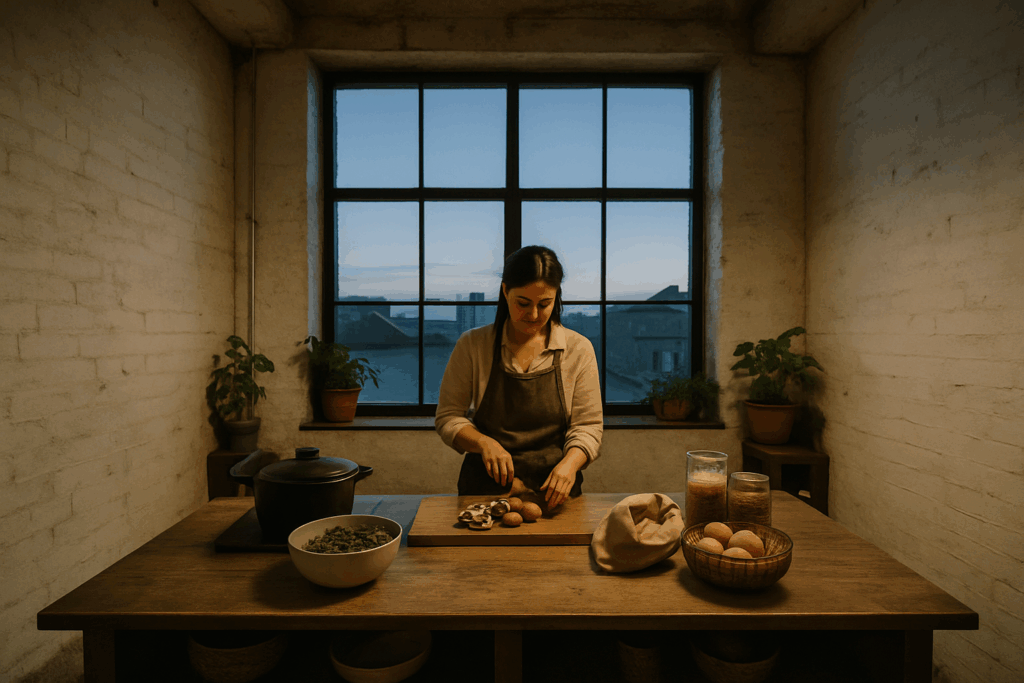
Zero waste isn’t just a marketing term anymore it’s on the cutting board. Chefs are turning onion skins into broth, carrot tops into pesto, fish bones into sauce bases. What was once tossed is now designed into the dish from the start. This mindset what some call full ingredient cooking is reshaping kitchen playbooks. Instead of routing scraps to the trash, they’re routed into flavor profiles.
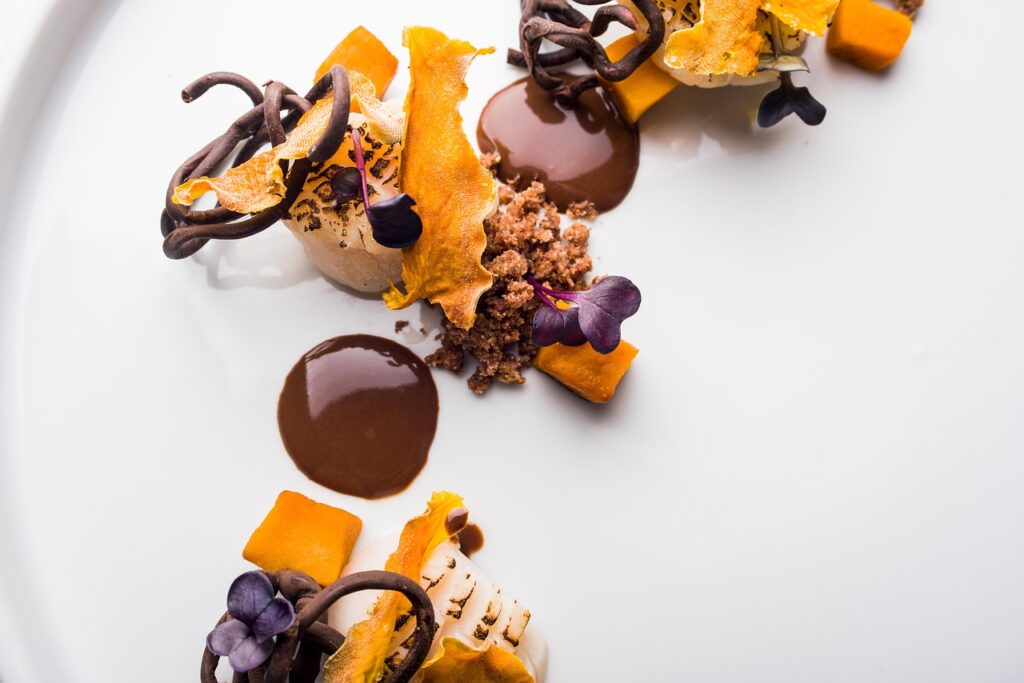
It’s not about being rustic or scrappy. Some of the most refined plates in high end restaurants now get their complexity from what used to be kitchen cast offs. Beet peels add texture, citrus rinds build bitter sweet balance, and even stale bread finds a second act as crisp garnish or soup thickener.
Alongside this shift, kitchens are getting reorganized to support waste conscious workflow. Prep stations double as composting hubs. Refrigeration systems are mapped around shelf life and inventory turnover. Efficiency is the new luxury.
And the payoff? Food that doesn’t just waste less but tastes better, too. There’s depth, nuance, surprise. Zero waste isn’t a constraint it’s creative fuel.
More on this approach here: Zero Waste Cooking
Tools + Tech Powering the Movement
Zero waste isn’t just about being mindful it’s about being efficient, and that’s where technology slips in as a quiet powerhouse.
Smart fridges are making their way into pro kitchens, equipped with sensors that track spoilage in real time. No more mystery rot in the back corner or missed expiry dates. These systems alert chefs when ingredients need to be used now or tossed, keeping waste low and timing tight.
On the back end, composting systems are becoming standard equipment, not luxury add ons. Designed to integrate right into busy commercial kitchens, they make it easy to divert food scraps from trash to soil without slowing down the workflow.
Then there’s the digital brain of the operation: data driven inventory platforms. These help chefs buy only what they’ll actually use, flagging over ordering patterns and simplifying restocks. Less guesswork, less spoilage.
Last, there’s a quieter shift on the supply side reusable container systems. Instead of a mountain of one time use crates and wrap, suppliers and restaurants are teaming up to build closed loop delivery models. It cuts packaging waste and sends a clear message: zero waste starts before the ingredients arrive.
Together, these tools do one thing well turn intention into action, without adding more to chefs’ already crowded plates.
Chefs to Watch in the Zero Waste Space

The zero waste movement in kitchens isn’t just about reducing trash it’s about rethinking the culinary process from the ground up. A new generation of chefs is proving that sustainability and sophistication can go hand in hand.
Deep Scrap Innovation
Some chefs are digging deep literally into what used to be discarded. These innovators are crafting compelling dishes from elements often overlooked:
Vegetable peels turned into crisps, stocks, or seasoning powders
Fish bones rendered into broths or used to create savory condiments
Citrus rinds, herb stems, and spent coffee grounds finding new life in desserts or cocktails
These recipes aren’t novelty they’re reshaping the fine dining experience with flavor driven waste reduction.
Blending Sustainability with Elegance
The practical doesn’t have to be plain. Rising chefs are proving zero waste isn’t a downgrade it’s an upgrade in craftsmanship:
Sara Elman, known for her refined tasting menus featuring upcycled ingredients
Taye Onwuachi, whose Afro Caribbean fusion kitchen uses byproducts as bold flavor components
Mina Khorasani, merging Persian traditions with zero waste methodologies in her small plate menus
These culinary voices are showing that sustainability fuels creativity, not limits it.
Born Zero Waste: Restaurants Built with Purpose
Some restaurants are taking the zero waste ethos further embedding it into their business model from the beginning:
Loop Table (NYC) uses closed loop sourcing, meaning every dish starts with waste conscious supply chain decisions
Verde Vertical (Austin, TX) grows much of its produce in house and composts 100% of organic waste
NoLeft (San Francisco) tracks outputs in real time and adjusts menus based on in house waste trends
These establishments aren’t adapting to zero waste they’re leading it.
Why This Isn’t Just a Trend
Cities are cracking down. States are getting serious. Waste bans, composting mandates, and landfill restrictions are tightening and kitchens that don’t adapt are feeling the heat. In places like New York, San Francisco, and Seattle, restaurants now need a paper trail for how they deal with scraps. Ignore the rules and expect fines, bad press, or both.
But it’s not just the government watching. Gen Z is the most values driven dining demographic yet. They look past the plate they want to know where ingredients came from, how leftovers are handled, and what part of the operation supports the planet. Transparency isn’t a bonus anymore, it’s baseline.
Zero waste isn’t about chasing an ideal. It’s becoming a bottom line strategy. Dumping food costs money. Wasting labor costs more. Kitchens doing the work now tracking, training, trimming waste are building resilience. The ones that ignore it? They’re mortgaging their future one trash bag at a time.
Setting Up a Zero Waste Mindset in Your Kitchen
Creating a truly zero waste kitchen isn’t about overnight perfection it’s about building systems, shifting habits, and training people at every level. Here’s how forward thinking kitchens are making the transition sustainable and smart.
Closing the Loop: From Prep to Plating
To minimize waste, chefs are thinking beyond ingredients they’re rethinking their entire workflow.
Start at the prep table: Use every edible part, from herb stems to beet greens. What’s typically trimmed can often be repurposed.
Plan plating with purpose: Choose garnishes and components that use up frequent scraps or leftover elements.
Batch smarter: Prepare in portions tailored to demand data, not guesswork.
Education at Every Level
Zero waste begins with awareness. Everyone from the dishwasher to the head chef needs to understand their role.
Line cooks learn creative reuse techniques for trimmings and preps.
Dish teams are trained to separate organic waste and spot reusable bits.
Chefs and managers set the tone with clear policies and incentivize ideas that reduce waste.
Progress Over Perfection
Not every change will happen overnight nor should it.
Start with audits: Track current waste patterns before setting bold goals.
Shift gradually: Introduce one or two changes per station at a time.
Celebrate improvements: Even 10% less waste this month is worth noting.
Sustainability isn’t a checkbox. It’s a mindset shift. As chefs become more intentional with how they prep, plate, and train, zero waste emerges not as a limit but as a creative advantage.
Related piece: Zero Waste Cooking
Wrap Up: Less Waste, More Purpose
Zero waste isn’t a shortcut. It’s not about doing less it’s about doing better. At its core, this movement asks chefs to sharpen their fundamentals. Trimming waste doesn’t come from slashing effort, but from applying more intent across every step of the process. It means knowing your ingredients deeply, cooking with precision, and training your team to see value where others see trash.
This is a shift back to thoughtful cooking. The kind where vegetable scraps become stock, and yesterday’s bread becomes tomorrow’s croutons. It’s not flashy, but it lasts. For chefs who stay in the game long term, that sustainability isn’t just environmental it’s personal, creative, and financial. Zero waste, when done right, delivers function, flavor, and future proof kitchens.
 Xolren Vosswyn has opinions about nummazaki flavor foundations. Informed ones, backed by real experience — but opinions nonetheless, and they doesn't try to disguise them as neutral observation. They thinks a lot of what gets written about Nummazaki Flavor Foundations, Culinary Buzz, Practical Cooking Tricks is either too cautious to be useful or too confident to be credible, and they's work tends to sit deliberately in the space between those two failure modes.
Reading Xolren's pieces, you get the sense of someone who has thought about this stuff seriously and arrived at actual conclusions — not just collected a range of perspectives and declined to pick one. That can be uncomfortable when they lands on something you disagree with. It's also why the writing is worth engaging with. Xolren isn't interested in telling people what they want to hear. They is interested in telling them what they actually thinks, with enough reasoning behind it that you can push back if you want to. That kind of intellectual honesty is rarer than it should be.
What Xolren is best at is the moment when a familiar topic reveals something unexpected — when the conventional wisdom turns out to be slightly off, or when a small shift in framing changes everything. They finds those moments consistently, which is why they's work tends to generate real discussion rather than just passive agreement.
Xolren Vosswyn has opinions about nummazaki flavor foundations. Informed ones, backed by real experience — but opinions nonetheless, and they doesn't try to disguise them as neutral observation. They thinks a lot of what gets written about Nummazaki Flavor Foundations, Culinary Buzz, Practical Cooking Tricks is either too cautious to be useful or too confident to be credible, and they's work tends to sit deliberately in the space between those two failure modes.
Reading Xolren's pieces, you get the sense of someone who has thought about this stuff seriously and arrived at actual conclusions — not just collected a range of perspectives and declined to pick one. That can be uncomfortable when they lands on something you disagree with. It's also why the writing is worth engaging with. Xolren isn't interested in telling people what they want to hear. They is interested in telling them what they actually thinks, with enough reasoning behind it that you can push back if you want to. That kind of intellectual honesty is rarer than it should be.
What Xolren is best at is the moment when a familiar topic reveals something unexpected — when the conventional wisdom turns out to be slightly off, or when a small shift in framing changes everything. They finds those moments consistently, which is why they's work tends to generate real discussion rather than just passive agreement.